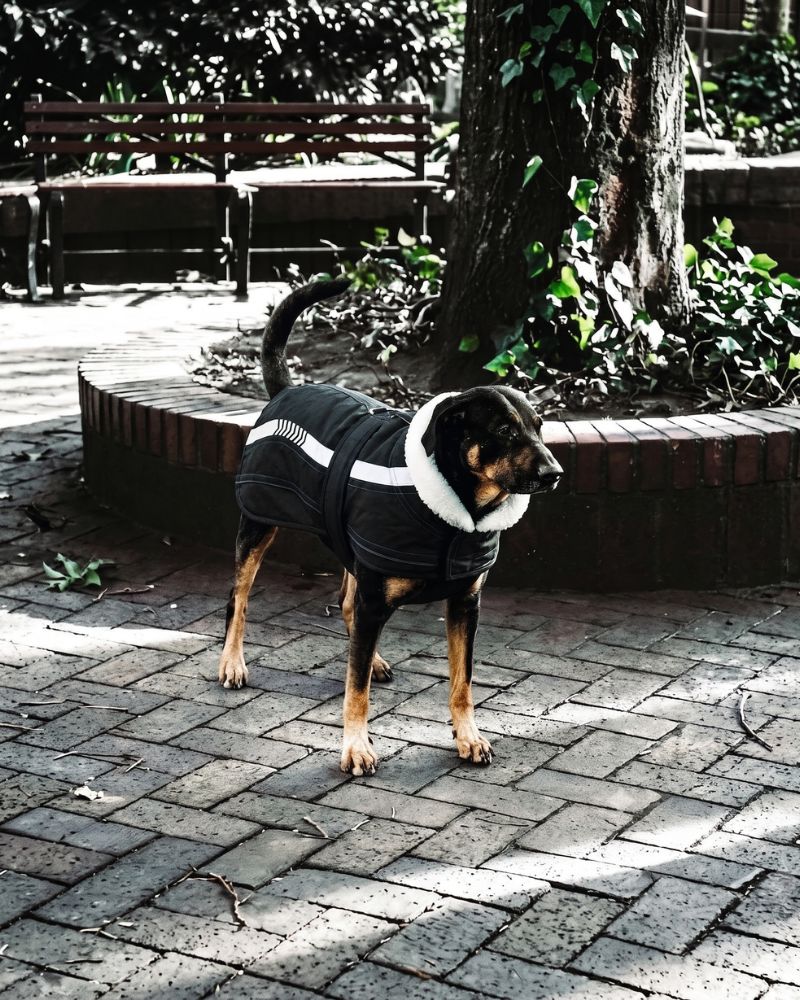
Best Dog Harness for Collapsing Trachea: 2026 Guide
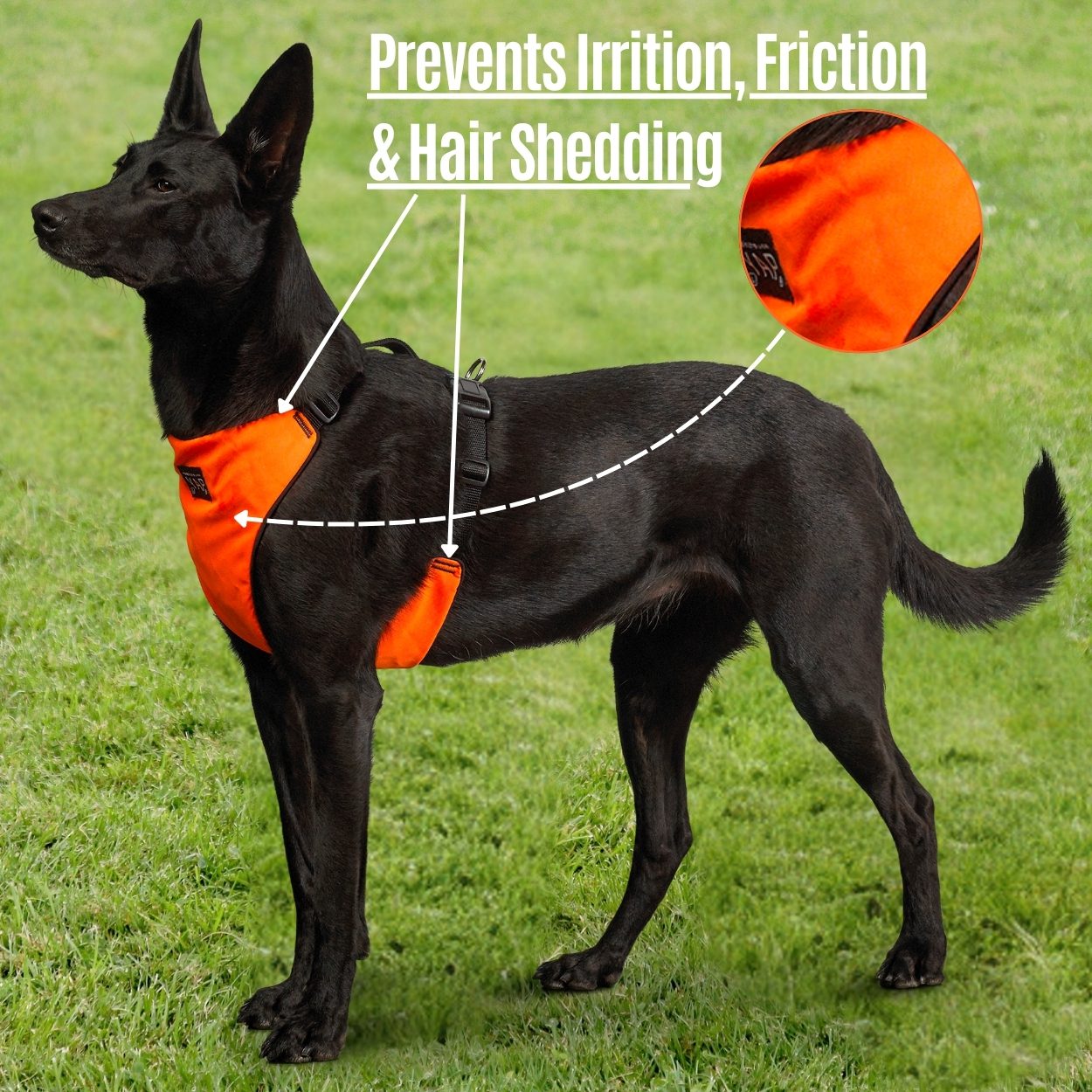
A dog harness for collapsing trachea is not a medical treatment, but the right one removes a source of daily pressure that can make an already sensitive airway work harder. This guide explains what tracheal collapse is in general terms, why harness choice matters alongside veterinary care, and which design features actually help avoid extra strain on the neck.
Key Takeaways
- A dog harness for collapsing trachea routes leash pressure to the chest instead of the neck, where the trachea sits close to the surface.
- Tracheal collapse is most common in toy and small breeds, though it can occur in dogs of any size.
- A harness does not treat or prevent tracheal collapse on its own and never replaces veterinary diagnosis and care.
- The Techno Harness uses choke free chest routing and fits dogs from 8 to 175 lbs.
- YAP USA harnesses are made in the USA with reinforced stitching and a thirty day exchange window.
What Is Tracheal Collapse in Dogs
Searching for a dog harness for collapsing trachea usually starts after a vet visit, a worrying cough, or simply reading that toy breeds are more prone to this condition. Whatever brought you here, the goal of this guide is the same: understand what the condition actually is, and know what a harness can and cannot do about it.
The trachea, or windpipe, is held open by small rings of cartilage. In some dogs these rings weaken over time and the trachea flattens, which is known as tracheal collapse. According to VCA Animal Hospitals, the condition is most frequently seen in toy and small breeds such as Chihuahuas, Pomeranians, Shih Tzus, and Yorkshire Terriers, and it tends to appear in middle aged to senior dogs, though younger dogs can be affected too.
A dog with tracheal collapse often develops a dry, harsh cough that sounds like a goose honking, especially during excitement, exercise, or pressure near the throat. Diagnosis requires a veterinary exam and often imaging, and treatment can involve medication, weight management, or in more advanced cases, surgery. None of that is something a harness replaces.
Why Harness Choice Matters
Even without a diagnosed condition, any pressure from a collar concentrates force directly on the neck, right where the trachea sits close to the surface. For a dog with a naturally narrower or weakened airway, that repeated pressure from pulling against a collar adds one more source of strain to a structure that is already working harder than it should.
This is why a dog harness for collapsing trachea moves leash tension away from the neck entirely. Instead of concentrating force at the throat, a properly fitted harness spreads it across the chest and shoulders, which does not treat the underlying condition but does remove an avoidable source of pressure during everyday walks.
Features That Matter for a Sensitive Airway
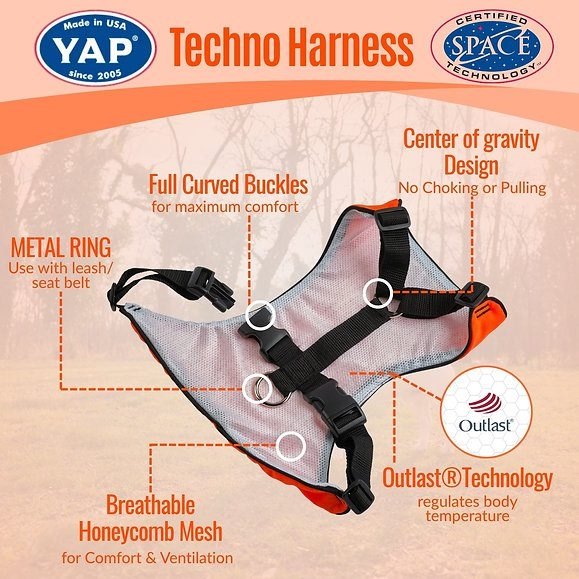
Not every harness avoids neck pressure the same way. A few design details make a real difference for a dog that needs every bit of pressure kept off the throat.
Harness Options to Consider
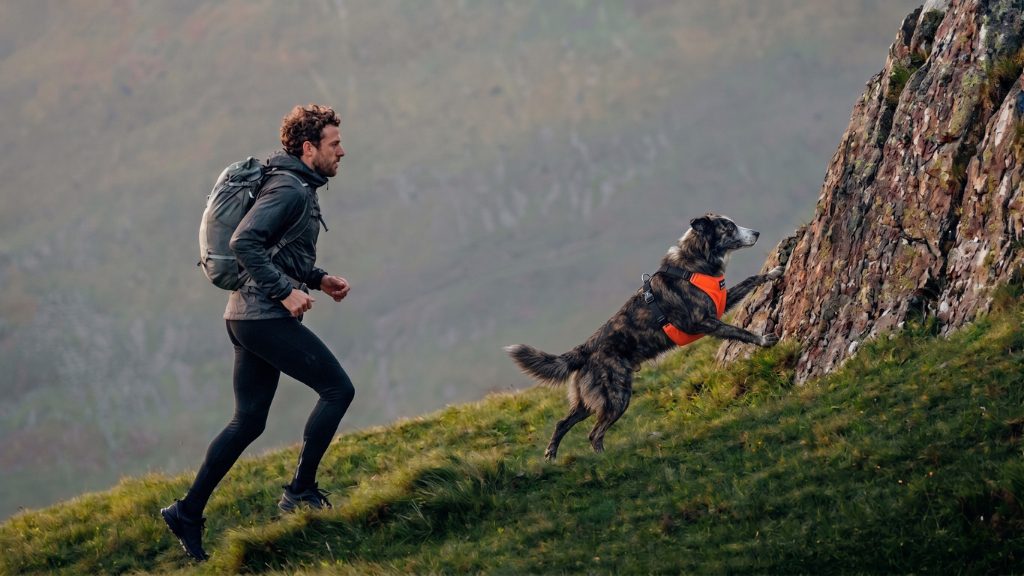
Techno Harness
The Techno Harness uses choke free chest routing and fits dogs from 8 to 175 lbs, which covers most adult dogs including many of the small and toy breeds more commonly affected by tracheal collapse. It distributes pressure evenly across the chest and shoulders, includes a built in emergency handle, and uses curved buckles that sit flat against the body to reduce rubbing.
Baby Beta AirFlow
For a smaller or toy breed dog, the Baby Beta AirFlow fits dogs weighing 5 to 40 lbs and keeps pressure completely off the throat. It adds airflow channels for comfort and includes a pocket that silences jingling ID tags, which can help a sensitive or easily startled dog stay calmer on a walk.
Comparing Harness Options
Both options keep pressure off the throat entirely, which is the single most important feature for any dog with a sensitive airway, diagnosed condition or not.
| Harness | Best For | Size Range | Handle | Chest Routing |
|---|---|---|---|---|
| Techno Harness | Most adult dogs, all around use | 8 to 175 lbs | Yes | Choke free |
| Baby Beta AirFlow | Toy and small breeds | 5 to 40 lbs | No | Choke free |
Getting the Size Right
A harness only avoids neck pressure if it actually fits correctly. Measure your dog's chest girth at the widest point just behind the front legs, then measure the lower neck where the harness will sit. Compare both numbers to the size chart on the product page rather than guessing by breed, since toy breeds in particular can vary significantly in chest shape even at a similar weight.
An oversized dog harness for collapsing trachea concerns can be just as counterproductive as one that is too small, since loose webbing can shift during a walk and end up pressing closer to the throat than intended. Checking the fit after the first few walks, not just at the moment of purchase, helps confirm that the harness is behaving the way it should.
Fitting It Correctly
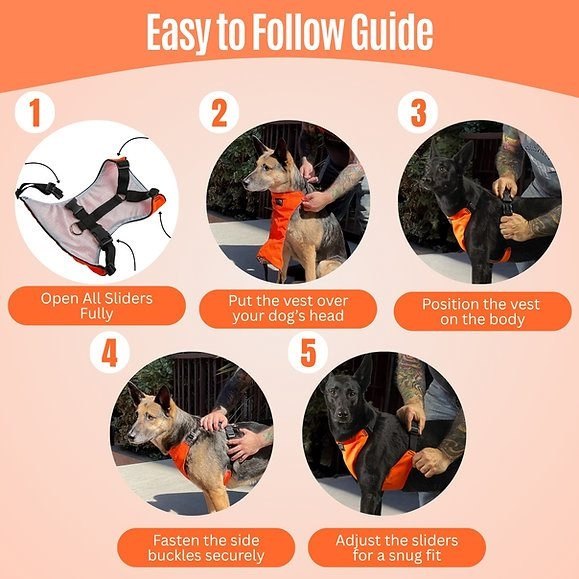
A dog harness for collapsing trachea only helps if it is fitted properly. Open every strap fully before starting so the harness slides on without resistance. Slide it over the head or step the dog into it, depending on the style, while your dog stands calmly on a flat surface. Close the straps evenly on both sides, then check the fit with the two finger rule. Slide two fingers under each strap, and they should pass through with slight resistance. More than two fingers means the fit is too loose, and fewer than two means it is too tight.
Walk your dog for a few minutes and watch how the harness sits. It should stay in place without rotating toward the throat, and the chest panel should sit flat without pressing into the armpits. Check the contact points for redness after the first full walk, since irritation signals a fit that needs adjusting.
Signs Your Dog May Need Veterinary Attention
A persistent dry, honking cough, exercise intolerance, or breathing difficulty are not something a harness fixes on its own. These signs warrant a veterinary visit regardless of what gear a dog is wearing, since proper diagnosis determines whether medication, weight management, or another approach is needed.
Caring for the Harness
A harness should be hand washed or run through a gentle cold water cycle to protect its fabric and hardware. A mild, pet safe detergent keeps the material performing correctly, since harsh chemicals can wear down coatings over time. Air drying flat, away from direct sunlight or a heat source, helps the harness keep its shape and its fit over repeated use.
Shop YAP USA Harnesses
Choke free chest routing built to keep pressure off the throat, made in the USA with a thirty day exchange window.
Shop the Techno HarnessMore Ways to Shop YAP USA
The Harness for Collapsing Trachea concerns across most adult dogs remains the Techno Harness, with choke free chest routing built into the design. For a wider view of the full catalog, every Dog Harness for Collapsing related comfort and everyday walking needs is covered across the product lineup at YAP USA. If you are looking for the single most popular all around option, the Best Dog Harness in the range for most owners is the Baby Beta AirFlow. And for a working or active dog that also needs airflow management, a Harness for hot weather Collapsing Trachea concerns alike is the K9i TactiKal.
Further Reading on Tracheal Health and Harness Safety
For a detailed explanation of tracheal collapse, its symptoms, and its treatment, VCA Animal Hospitals' overview of tracheal collapse in dogs is a reliable veterinary resource. For general guidance on choosing the right walking equipment, the American Kennel Club's guide on choosing a dog harness explains why chest support reduces strain compared to a collar.
Conclusion
A dog harness for collapsing trachea is not a cure or a treatment, but choosing one with choke free chest routing removes an everyday source of neck pressure that a dog with a sensitive airway does not need. The Techno Harness covers most adult dogs with reliable chest routing, while the Baby Beta AirFlow suits toy and small breeds more commonly affected by this condition. If your dog shows persistent coughing or breathing difficulty, see a veterinarian first, then make sure the harness itself fits correctly using the two finger rule. A thoughtfully chosen dog harness for collapsing trachea sensitivity will not change a diagnosis, but it removes one everyday variable that is entirely within your control.