Dog Harnesses: 7 Scientific Ways to Protect Your Pet’s Health
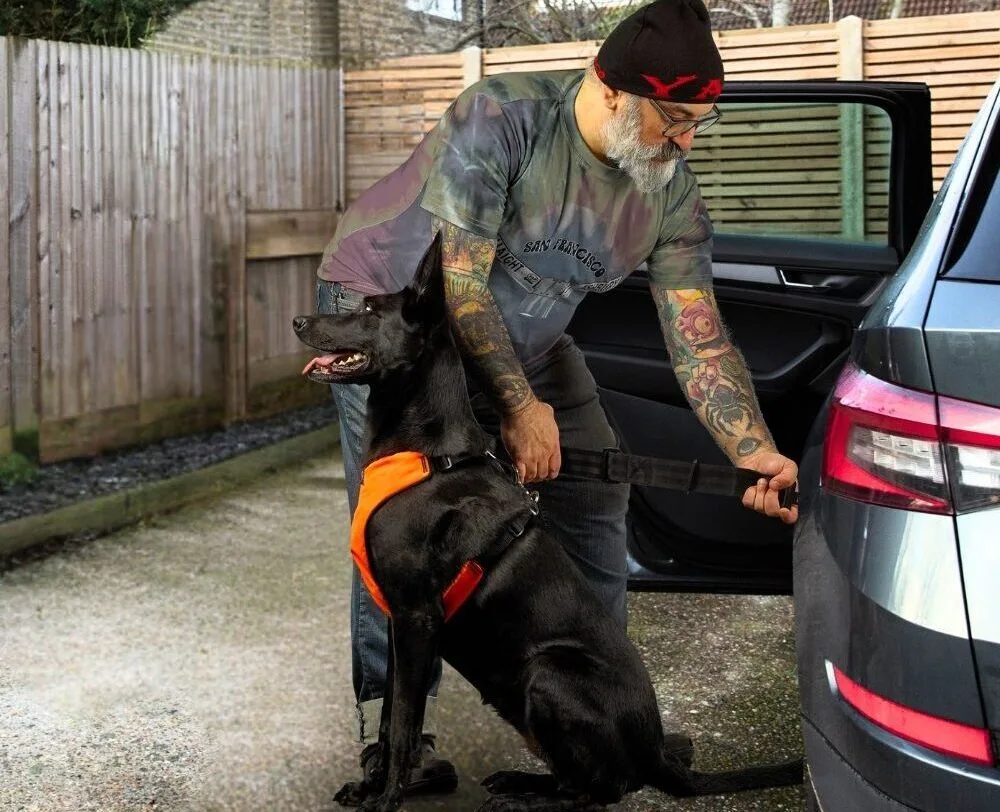
Protect your pet’s neck with engineered dog harnesses . Discover NASA Outlast technology and the best harness for dogs that pull. Shop YAP USA now. Walking your pet should be the most relaxing part of your day. For many owners, it feels like a physical battle. You might deal with constant pulling, wheezing, or your pet trying to back out of their gear. These problems usually happen because of how the gear is built. Most people do not realize that standard collars and basic straps can cause lasting physical harm to a pet. At YAPSTORE USA, we have spent 20 years in San Francisco changing how people think about dog harnesses. We believe in science and engineering over simple fashion. Our goal is to make every walk safe and comfortable for your best friend. A walk is more than just exercise. It is your pet’s way of exploring their world. When that experience is filled with choking or discomfort, your bond with your pet suffers. This guide explains why an engineered system is the best choice for your pet’s long-term health. We will look at the anatomy, the technology, and the physics of the perfect walk. Table of Contents Introduction: What Most Dog Owners Never Learn About Collars 1. Pressure Distribution Science: Why Collars Put Your Dog at Risk 2. Neck and Tracheal Protection: What Veterinary Research Confirms 3. Intraocular Pressure: The Hidden Eye Health Risk 4. Gait and Biomechanics: How the Right Harness Preserves Movement 5. Behavioral Benefits: Calmer Dogs, Safer Walks 6. Temperature Regulation: The NASA Outlast Technology Advantage 7. Tactical and Working Dog Safety: The K9i TactiKal Standard Harness Comparison Table: Which Type Is Right for Your Dog Proper Maintenance: Making Your Harness Last YAP Stores: Engineered for Every Dog FAQ: What Dog Owners Ask Most Final Word Introduction: What Most Dog Owners Never Learn About Collars Most dog owners choose a collar out of habit. It is what their parents used. It is what the pet store recommends. It sits on a shelf next to the leash and goes on the dog before every walk without a second thought. What very few owners realize is that the repeated pressure a collar places on a dog’s neck during walks can cause serious and lasting harm. Tracheal collapse. Cervical nerve damage. Elevated intraocular pressure. These are not rare events. They are documented conditions linked directly to routine collar use in dogs that pull. Dog harnesses change that equation. A well-engineered harness moves the contact point from the throat to the chest and shoulders, distributing force across a far larger surface area. The result is a measurably safer walk for your dog. Not just more comfortable. Measurably safer, according to peer-reviewed research. This guide breaks down the seven specific, science-backed ways that dog harnesses protect your pet’s health. It draws on veterinary biomechanics studies, published clinical research, and the engineering principles behind YAP Stores’ line of harnesses designed and manufactured in San Francisco. By the end, you will know exactly what to look for, what to avoid, and how to choose the best dog harness for your specific dog. Key Statistic A 2021 survey of dog owners found that 82.7% reported their dogs pulled on the leash during walks. Every one of those pulls against a neck collar creates concentrated pressure on a structure made of cartilaginous rings that cannot heal themselves once damaged. (Source: Townsend et al., 2021, cited in PMC8450523) 1. Pressure Distribution Science: Why Collars Put Your Dog at Risk The physics of a collar are straightforward and alarming once you understand them. When a dog pulls against a leash attached to a neck collar, all the generated force is concentrated on a single band of tissue at the throat. Research has measured collar contact pressures in dogs at 4.58 N per square centimeter. That number becomes meaningful when you compare it to two reference points. First, it exceeds the pressure produced by ill-fitting saddles on horses, which veterinary literature has long recognized as a welfare concern. Second, and more critically, the lowest collar pressure value recorded in dogs stands at 83 kPa. That figure is dramatically higher than the 4.3 kPa level found to cause tissue damage and necrosis in humans. The neck tissue in dogs is not significantly tougher than human tissue at the cellular level. Dog harnesses solve this by redirecting that force. Instead of a narrow band at the throat, the load spreads across the chest, sternum, and shoulder area. More surface area means lower pressure per square centimeter. Lower pressure means less tissue stress with every single step. YAP Stores’ Techno Harness achieves this through a four-point adjustment system that distributes contact evenly regardless of the dog’s size or body shape. It fits dogs from 8 to 175 pounds precisely because the geometry of distribution, not just the size of the harness, determines how safely force is managed. Contact Point Force Distribution Risk Level Recommended For Neck Collar Single point at throat High ID tags only Back-Clip Harness Chest and shoulders Low to Medium Calm, leash-trained dogs Front-Clip Harness Chest with redirection Low Dogs that pull Dual-Clip Harness Chest, sternum, shoulders Very Low Training and active dogs YAP Techno Harness 4-point engineered distribution Very Low All sizes, all activity levels How to Find the Best Harness for Dogs That Pull Safely Many people think a “no-pull” harness is a magic fix. However, many of those designs work by pinching the pet or tightening around their chest. This can cause fear and skin irritation. A better way to stop pulling is through clear communication. An engineered harness provides a stable connection point. Negative Feedback: Pinching can cause fear and skin irritation. Better Method: Clear communication through a stable connection point. Gentle Pressure: When you move the leash, the pet feels firm pressure on their chest. Our Baby Beta Airflow Tactical Dog Harness is designed for this performance. It is priced at $99.00 and will not stretch or