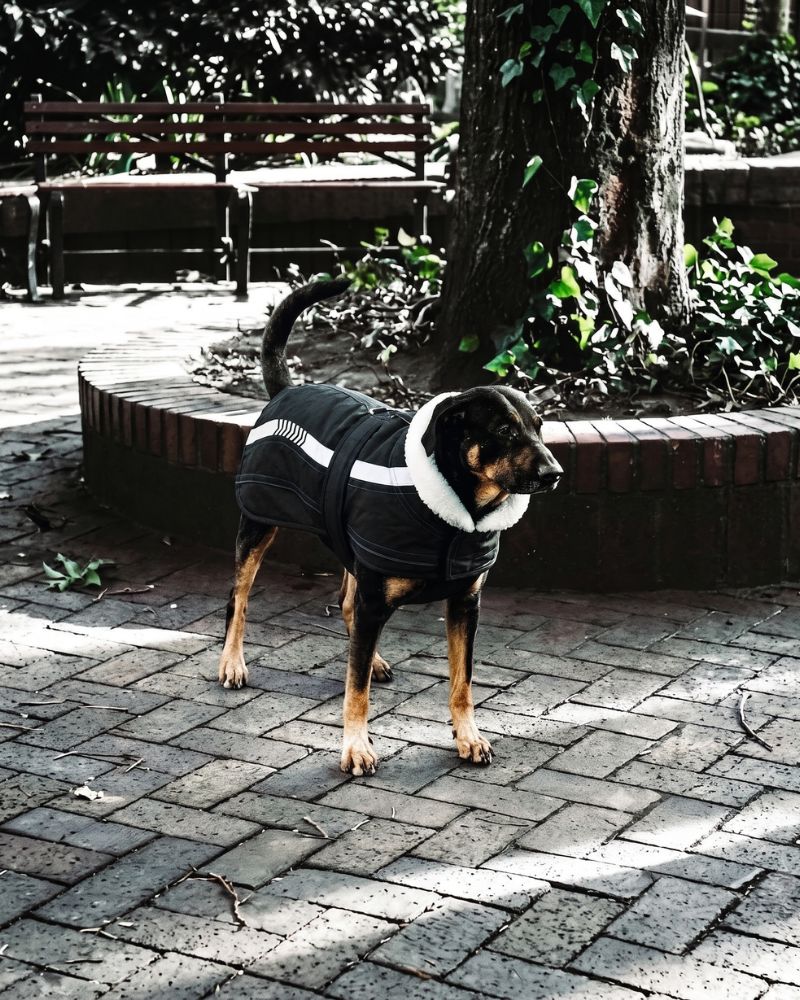
Winter walks look peaceful, but the ground is not always kind. Snow, ice, and road salt all reach a dog's paws on every step. The idea behind the phrase dog boots saved paws is simple: a barrier between the paw and the ground can spare a dog a lot of discomfort.
This guide explains how that protection works, using advice from the American Kennel Club and the details on the YAP USA waterproof boots page. It does not retell an invented story, because the boots page has no customer reviews yet. It sticks to what is documented.
Key Takeaways
- The American Kennel Club says well fitting boots can help prevent weather related problems and shield paws from deicers and road salts.
- The YAP Waterproof Boots use a technology valve that releases trapped air while keeping water out in rain or snow.
- Non slip soles, secure closures, and reflective detailing suit short, dark, slick winter days.
- Sizes run from XS to 3XL, so measure paw length and width before ordering.
- Introduce boots gradually, starting with one boot indoors for a short time.
What Dog Boots Saved Paws Really Means
When people say dog boots saved paws, they rarely mean a dramatic rescue. They mean a quiet result: a dog that finished the walk with dry, comfortable feet instead of cold, salty, or sore ones.
The American Kennel Club puts the logic simply. Protecting a dog's paws means protecting overall health, since even a minor ailment can limit mobility and playtime. That is the practical case behind every claim that dog boots saved paws on a hard winter day.
What Winter Does to Paws

The American Kennel Club says a dog's paws should be protected from harsh conditions such as ice, snow, and hot pavement. A simple rule applies in winter too: if you would not walk barefoot on a freezing sidewalk, neither should your dog.
The AKC also lists deicers and road salts as potentially toxic substances that boots can shield paws from. It adds that dogs can get frostbite when temperatures drop below 32 degrees Fahrenheit, and that a proper fitting pair of boots can help prevent weather related conditions like frostbite.
Five Ways Dog Boots Saved Paws on Winter Walks
Here are five ways boots protect paws, tied to the features of the YAP Waterproof Boots.
1. Dry Paws in Snow and Slush
A technology valve releases trapped air while preventing water from entering, which keeps paws dry during rain or snow. The page calls the boots ideal for wet walks, muddy trails, and cold weather outings. The AKC warns that a boot that traps water is uncomfortable, and it notes that excess moisture between the toes can raise the chance of yeast infections.
That is why a valve matters. When you compare Waterproof boots, look for a design that lets trapped air escape.
2. A Barrier Against Salt and Deicers
YAP USA describes its boots as protection for paws from rain, snow, salt, and hot pavement. Because the boot covers the paw, deicers and road salt stay off the pads. After a walk, wipe the boots clean before they come inside.
3. Better Grip on Slick Ground
The product page highlights non slip soles for any weather. The AKC says soles with grooves help a dog keep balance when sidewalks turn slick, which is common in winter.
4. A Secure Fit That Stays Put

Boots only help if they stay on. Button and touch fastener closures allow precise adjustment for a stable fit during active movement, and the soft, flexible material conforms to the leg without stiffness. The boots are also lightweight, which supports natural movement on longer walks.
5. Visibility on Short, Dark Days

Winter days are short, and many owners walk in the dark. Reflective detailing is built into the boot surface to improve nighttime visibility, which the AKC also recommends for dark winter walks.
Winter Hazards and What Boots Do About Them
Use this table to connect each winter hazard to the boot feature that addresses it.
| Winter Hazard | Why It Matters | YAP Boots Feature |
|---|---|---|
| Snow and slush | Wet paws get cold and uncomfortable | Technology valve |
| Road salt and deicers | Can be toxic to paws and dogs | Boot covering protects the pad |
| Slick sidewalks | Poor footing can cause slips | Non slip soles |
| Active walking | A loose boot slips or twists | Button and touch fasteners |
| Dark afternoons | Low visibility near traffic | Reflective detailing |
One honest note: the YAP boots page does not describe insulation. In very cold weather, limit time outside and check your dog's paws, and read our guide to the Best waterproof boots for wet weather.
Know the Limits of Boots
Boots are one layer of paw care, not the only one. The AKC notes that paw balm can help when you notice cracks or dryness in the pads, and that well trimmed nails help a dog keep balance and avoid injuries.
If your dog still limps or shows cracked or bleeding pads, a veterinarian is the right next step. Even when dog boots saved paws on a rough walk, a lasting problem deserves a professional look.
Sizing Boots So They Actually Protect

A boot that does not fit cannot protect. Measure your dog's paw length and width, then match both to the size chart. The boots come in sizes XS through 3XL.
| Size | Paw Length | Paw Width |
|---|---|---|
| XS | 1 7/8 in | 1 3/4 in |
| S | 2 in | 1 3/4 in |
| M | 2 1/8 in | 1 7/8 in |
| L | 2 1/4 in | 2 1/8 in |
| XL | 2 3/4 in | 2 1/2 in |
| 2XL | 3 in | 2 3/4 in |
| 3XL | 4 in | 3 3/4 in |
How to Fit Boots and Get Your Dog Used to Them
Open the button and touch fasteners fully before placing the boot over your dog's paw. Slide it gently onto the paw and up the leg until it sits snugly without twisting or bunching. Fasten the closures from the bottom upward for the most even fit, then check that your dog can walk naturally.
The AKC suggests letting your dog sniff the boots and earn a treat or praise, then starting with one boot, then adding the others. Wear them indoors for short periods first and add time with each use. Watch for signs of discomfort or stress, and be patient. The familiarization process takes time.
A Winter Walk Checklist
- Before the walk: check the fit, fasten the closures from the bottom upward, and make sure your dog can move naturally.
- During the walk: keep an eye on your dog for signs of discomfort or stress, and keep walks short in very cold weather.
- After the walk: wipe the boots clean, remove salt and mud, and check your dog's paws for cracks or redness.
- Between walks: air dry the boots fully, and inspect the valve, fasteners, and reflective detailing.
A routine like this is how dog boots saved paws for owners who stick with it, because small habits keep protection working all winter.
Caring for Dog Boots After Winter Walks
Wipe the boots clean after each use with a damp cloth to remove mud, salt, water, and debris. For a deeper clean after heavy outdoor use, hand wash in cold water with a mild detergent.
Air dry fully before storing, and do not tumble dry or expose the boots to direct heat. Inspect the valve, fasteners, and reflective detailing before each use for signs of wear or damage.
Browse Dog boots and the full YAP USA lineup on the homepage, or find the Best boot for dogs and more winter gear in the full product range.
Shop YAP USA Waterproof Boots
Protect paws from rain, snow, salt, and hot pavement with soft, flexible boots in sizes XS to 3XL.
Shop Waterproof BootsFurther Reading on Winter Paw Safety
For a full look at boot features and fit, read the American Kennel Club's guide to the best dog boots for any weather. For advice on deicers, see the American Kennel Club's guide to dog safe ice and snow melt.
Conclusion
When owners say dog boots saved paws on winter walks, they are describing a few simple protections: dry paws, a barrier against salt and deicers, better grip, a secure fit, and visibility on dark days. Each one matches a feature on the YAP Waterproof Boots page.
Measure the paw, introduce the boots gradually, and clean them after every walk. Do that, and the idea that dog boots saved paws can become part of your own winter routine.
Winter will keep coming back each year, and so will salt, snow, and early darkness. A pair of well fitted boots turns those hazards into minor details on the way to a good walk.