Crash Tested Dog Car Harness | Safety Certified | YAP Stores
Why Your Dog Needs a Crash Tested Car Harness
Car travel with dogs demands equipment that protects in sudden stops and accidents. A crash tested dog car harness is not optional. It is essential safety gear that keeps your dog secure during every drive. Unrestrained dogs become projectiles in accidents, facing injuries that proper harnesses prevent. According to the National Highway Traffic Safety Administration guidelines for passenger safety, proper restraint systems protect all occupants during vehicle travel.
A dog car harness designed for vehicle attachment must withstand crash forces, not just comfort your dog on regular drives. Testing under load conditions determines whether a harness actually protects or merely attaches. This distinction matters more in accidents than in everyday driving. Your dog depends on engineering that meets real-world impact demands.
Critical Point: A crash tested dog car harness prevents injuries from sudden deceleration and impact forces. Without proper restraint, even a moderate collision can cause severe injury to your unprotected dog. Engineered harnesses distribute crash forces safely, keeping your dog secure in the back seat throughout unexpected situations.
What Crash Testing Actually Means
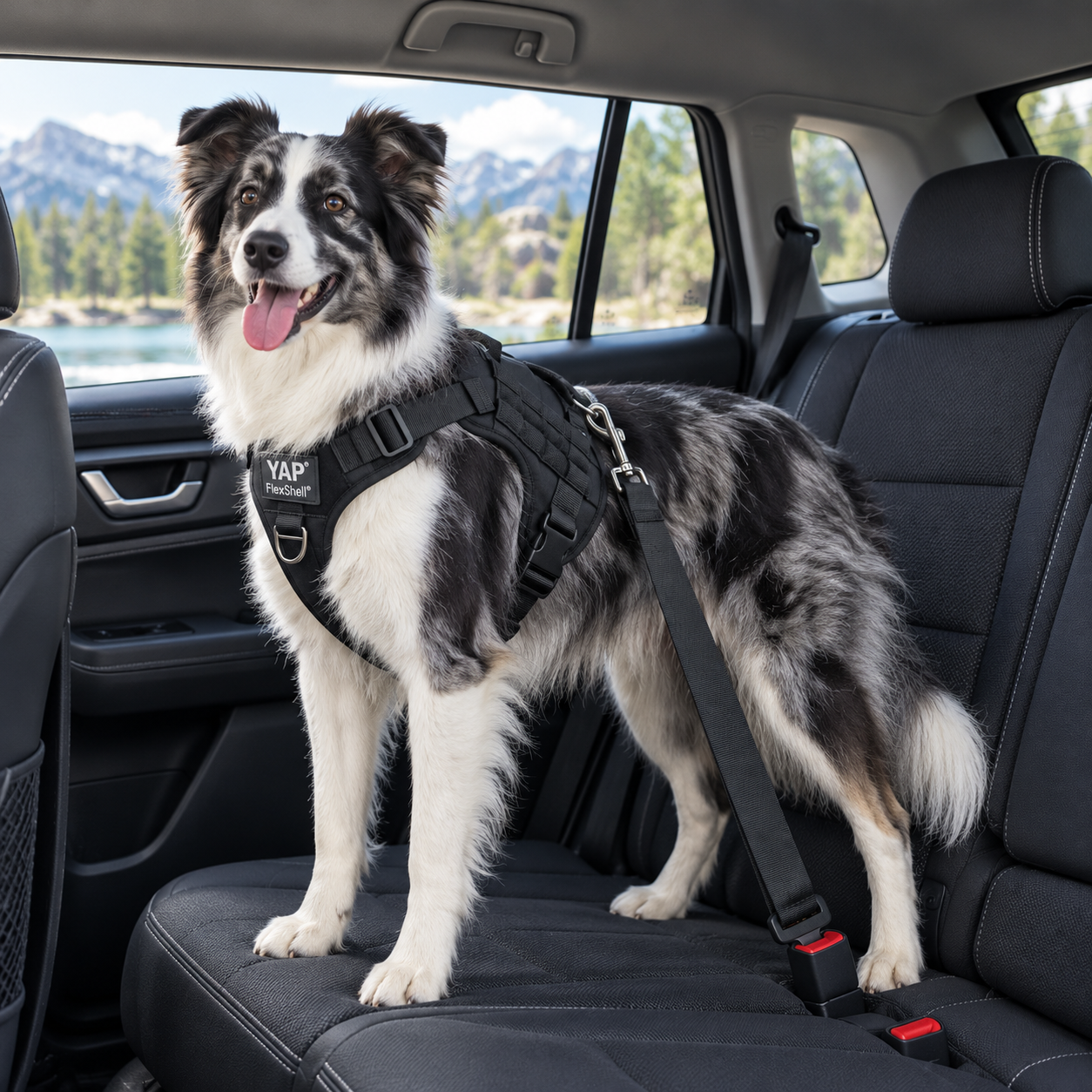
Crash testing evaluates whether equipment survives impact forces without failing. A crash tested dog harness undergoes testing under controlled collision scenarios. The harness must remain secure, preventing the dog from shifting or escaping. Attachment points must hold under sudden force. Straps must distribute load without breaking or tearing. Engineers follow impact testing protocols, similar to those described by ASTM international standards for vehicle safety testing, to validate equipment performance.
Not all harnesses undergo crash testing. Standard pet harnesses attach your dog to a leash for walks, not crash scenarios. They lack the reinforcement needed to withstand impact forces. A harness advertised as car safe without crash testing provides false confidence. Genuine crash testing means engineers subjected the harness to real impact scenarios and validated performance data.
Load Testing and Impact Scenarios
Hardware tested under load means every connection point received force testing. Buckles were evaluated at breaking points. Straps were tested for tearing resistance. When a manufacturer states crash testing, they document how much force the harness withstood without failure. This data matters. It proves the harness will protect your dog when real accidents happen.
Universal Seat Belt Attachment
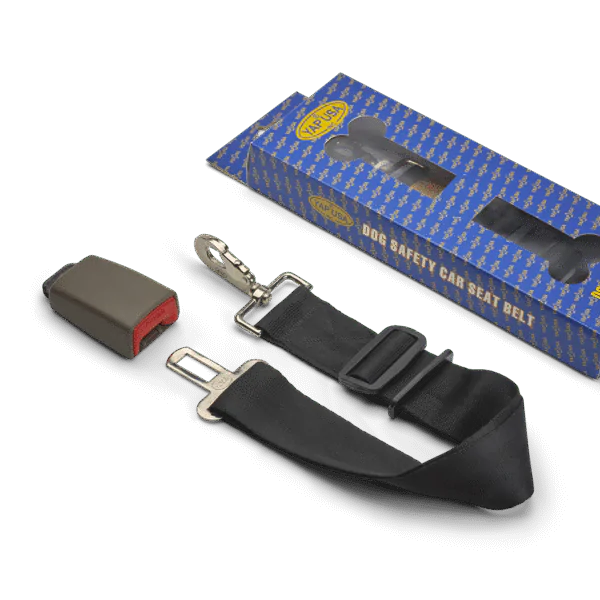
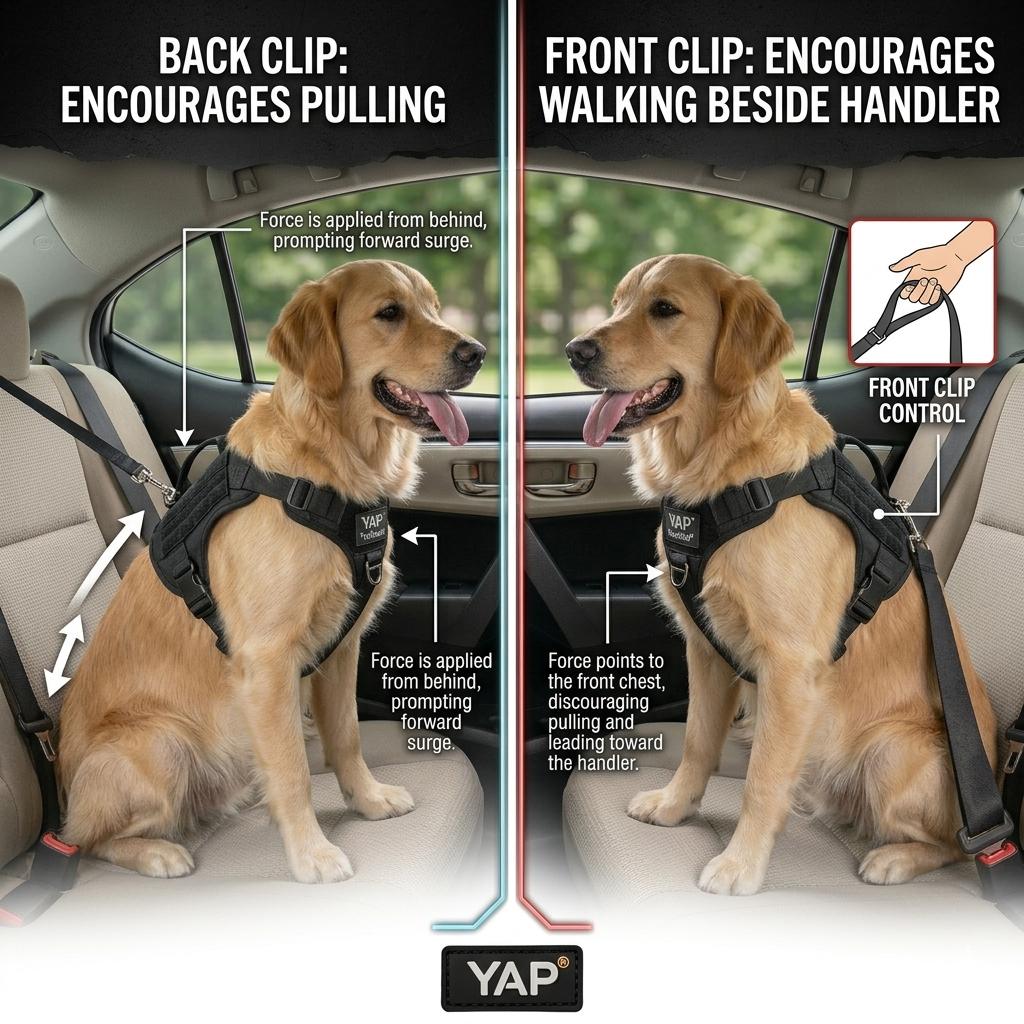
A tested dog car harness compatible with standard vehicle seat belts keeps your dog secure without special installation. Most cars have universal seat belt systems. A harness with a D ring attachment point threads the seat belt through harness loops or connects via carabiner clip to the back strap webbing. This simple attachment provides crash-tested security.
Never attach the seat belt to the leash ring. The leash ring is not designed to withstand crash forces. Only attachment points specifically engineered for crash scenarios should receive seat belt connections. This distinction prevents harness failure during the exact moment when protection matters most.
- Place your dog in the back seat for safety
- Thread seat belt through harness D ring attachment
- Use carabiner clip for additional security
- Ensure seat belt is fully buckled and tight
- Give a firm tug to confirm connection security
- Allow enough freedom for comfortable positioning
- Never attach to leash ring or non-structural points
Fitting Your Dog Safely in the Car
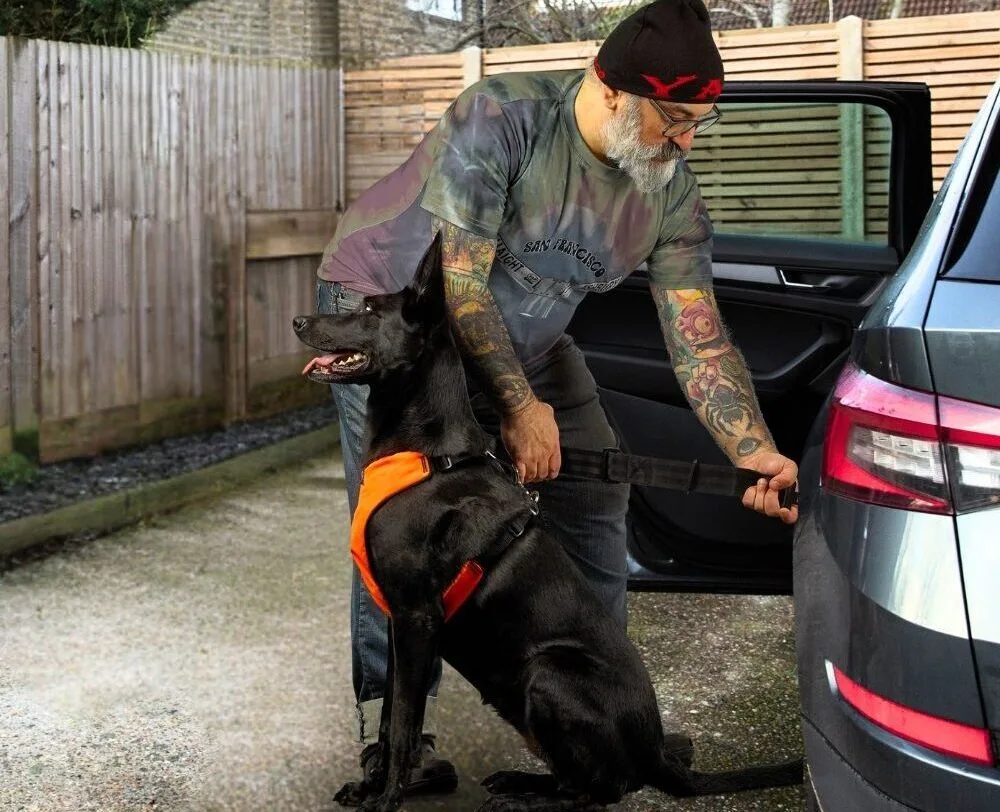
Proper fit determines crash protection effectiveness. Your dog should sit, stand, or lie down comfortably without sliding or shifting. The harness must stay centered on the body. Straps should be snug enough to prevent slipping but loose enough to allow natural breathing. A two-finger rule applies after fitting. Slide two fingers under any strap with firm resistance.
Back seat positioning protects your dog and the driver. Never place an unrestrained dog in the front seat. Airbag deployment can severely injure a small dog. The back seat provides distance from the dashboard and windshield. A crash tested car harness keeps your dog restrained in the back seat throughout sudden stops or accidents.
Size Selection for Accurate Fit
Measure your dog's chest girth at the widest point behind the front legs. This measurement guides size selection more reliably than breed assumptions. The harness must fit your specific dog, not just any dog in their weight range. Proper sizing ensures crash force distribution works as engineered. An oversized harness allows too much movement. An undersized harness restricts breathing.
Car Restraint Options Comparison
| Restraint Type | Unrestrained | Basic Harness | Crash Tested Harness |
|---|---|---|---|
| Crash Protection | None | Unproven | Load tested |
| Seat Belt Compatible | Not applicable | Variable | Universal fit |
| Tested for Impact | No | No | Yes, documented |
| Hardware Strength | None | Standard | Reinforced |
| Back Seat Safety | Not safe | Limited | Full protection |
| Legal Compliance | Often illegal | Questionable | Safety standard |
| Injury Risk | Severe | Moderate | Minimal |
| Distraction Prevention | No | Limited | Complete restraint |
Materials That Withstand Impact
Crash tested harnesses use reinforced materials capable of handling sudden forces. Standard fabric fails under impact stress. Engineered webbing distributes load without tearing. Buckles are made from materials that bend but do not break. Stitching is reinforced at all stress points. NASA certified Outlast fabric provides thermal regulation while maintaining structural integrity during repeated use and emergency situations.
Made in the USA construction with load-tested hardware means your dog's safety equipment meets rigorous engineering standards. Reinforced stitching at every connection point ensures the harness survives years of daily use plus unexpected impact scenarios. This quality difference between basic pet harnesses and crash tested designs determines protection levels when real accidents happen.
Comfort During Long Drives
Your dog travels more comfortably when the harness does not create heat stress. NASA Outlast fabric stores and releases heat precisely, keeping your dog comfortable whether driving on hot summer days or cold winter mornings. Temperature stability reduces stress during travel, keeping your dog calmer and more secure in the vehicle. A comfortable dog remains properly positioned, maintaining crash protection throughout the journey.
Maintaining Your Crash Tested Harness
Regular inspection ensures your harness remains safe for crash scenarios. Before every drive, visually check the harness for wear, fraying, or damage. Test all attachment points by pulling firmly. Ensure buckles click securely. Look for any signs of degradation that might compromise crash protection. Hand wash in cold water using mild pet safe detergent. Air dry flat away from direct sunlight. Never tumble dry as heat can damage fabric integrity.
Store your harness in a cool dry place between uses. Inspect stitching, buckles, and all attachment points regularly. A harness that protects in crashes must be maintained consistently. This simple inspection routine ensures your investment in crash tested equipment maintains protection throughout its lifespan.
Conclusion
A crash tested dog car harness represents real protection during the exact moments when your dog is most vulnerable. Unrestrained dogs suffer severe injuries in accidents. Basic harnesses lack crash testing and reinforcement to handle impact forces. Engineered crash tested harnesses undergo load testing, use reinforced materials, and feature hardware designed to survive sudden deceleration.
Universal seat belt compatibility makes installation simple in any vehicle. Proper fit and sizing ensure crash forces distribute safely across your dog's strongest body parts. Made in the USA construction with reinforced stitching provides reliability. Temperature regulation keeps your dog comfortable throughout travel. A thirty-day exchange policy removes sizing risk. This combination of features protects your dog in regular drives and emergency scenarios alike. Crash tested harnesses are not luxury equipment. They are essential safety gear that every dog traveling in vehicles deserves.
Crash Tested Protection for Every Drive
Load tested harnesses, universal seat belt attachment, reinforced construction. Keep your dog safe in every vehicle scenario with certified crash tested equipment.
Shop Crash Tested Harnesses