How to Measure Dog for Harness the Right Way – 2026 Complete Guide
How to Measure Dog for Harness the Right Way – 2026 Complete Guide
A safe harness starts with the right fit. This guide explains where to measure, how to read sizing information, and how to choose YAP gear that supports comfort, movement, and daily walking.
Start with a calm standing position before measuring.
Measure where the harness rests, not where the collar sits.
Choosing the right harness is not only about style. Fit matters because the harness needs to sit securely without pressing into the neck, rubbing the chest, or shifting while your dog walks. YAP USA designs dog gear around comfort, safety, and science, including harnesses made to distribute pressure away from the neck.
This guide keeps the process simple. You will need a soft measuring tape, a calm dog, and a few minutes. The goal is to measure the chest girth and neck circumference, then compare those numbers with the sizing information on the product page before ordering.
If you are preparing your Dog for a Harness, do not guess by breed alone. Dogs with the same breed label can have different chests, shoulders, necks, and body shapes. A measured fit gives you a cleaner starting point.
Why harness fit matters
A harness should help your dog move naturally. It should not choke, twist, or pull pressure into the wrong part of the body. YAP explains that its harnesses are designed to distribute pressure away from the neck for a safer and more comfortable walk.
A poor fit can cause two different problems. If the harness is too tight, it can pinch the chest, limit movement, or create rubbing. If it is too loose, it can slide around, reduce control, or make the dog feel unsure during walks. The American Kennel Club recommends using a harness over a collar for dogs that pull, as it reduces strain on the neck and gives owners better control during walks.
The first rule is simple: measure the dog in a standing position. Have your dog stand naturally on all four paws. Avoid measuring while the dog is curled up, sitting, or stretching, because those positions change the body shape.
What you need before measuring
You only need a few simple items. A flexible tape measure works best because it follows the body shape. If you do not have one, use a piece of string, mark the length, and compare it with a flat ruler.
Keep treats nearby if your dog needs encouragement. The measuring process should feel calm, not rushed. If your dog moves away, pause for a moment and start again when they settle.
Measuring checklist
Before you startWhen you are ready, open the product sizing details and compare your measurements carefully. YAP product pages include sizing guidance, and the site explains that measuring chest girth and neck circumference helps ensure a more exact fit.
For a direct starting point, use this how to measure a dog for a harness resource before choosing your product.
How to measure the chest
Keep the tape level around the widest part of the chest.

Chest girth is usually the most important harness measurement.
Chest girth means the measurement around the widest part of your dog's rib cage. This is usually just behind the front legs. Wrap the tape around the chest, keep it level, and make sure it is not twisted.
The tape should touch the coat without squeezing the body. If your dog has a thick coat, do not crush the fur flat. Measure gently and keep the tape close enough to read accurately.
Write the number down immediately. Then measure one more time to confirm it. If the two numbers are different, take a third measurement and use the number that repeats.
If you need a clear product-focused fit route, this how to measure dog chest for harness reference can help you connect your measurement to a YAP harness page.
How to measure the neck
The neck measurement should be taken around the lower neck area where a harness sits, not high on the throat where a standard collar may rest. This helps you compare the measurement to harness sizing more accurately.
Keep the tape flat and comfortable. You should not pull tightly, and you should not leave the tape hanging loose. The purpose is to understand the dog's body shape so the harness can sit properly.
Dogs with deep chests, narrow shoulders, thick coats, or compact bodies may need extra attention. In those cases, the chest and neck numbers should both be reviewed before selecting a size. According to PetMD's harness guidance, dogs with short necks or barrel-shaped chests especially benefit from a properly measured fit to avoid pressure on sensitive areas.
How to use a harness size chart
A chart is only useful when the measurements are accurate. Compare chest girth first, then review the neck measurement. If your dog is between sizes, read the product page guidance and consider your dog's build.
Do not choose a size based only on weight. YAP explains that most products may be sized by weight, but an exact fit depends on measuring chest girth and neck circumference. That is why measuring matters.
Use this dog harness size chart starting point when checking YAP harness fit information.
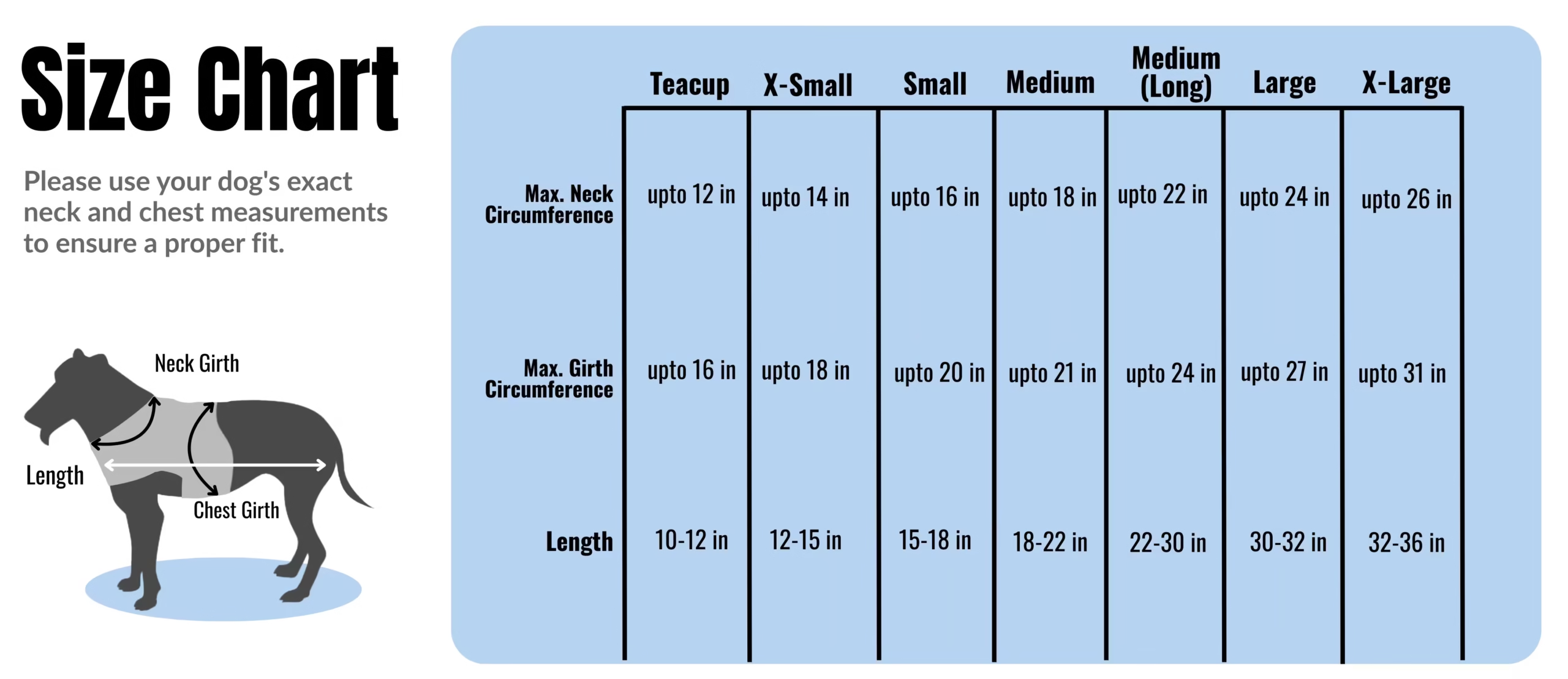
Use the size chart as a separate guide after taking your dog's chest and neck measurements.
| Measurement | Where to measure | Why it matters |
|---|---|---|
| Chest girth | Around the widest part of the rib cage | Helps the harness sit securely around the body |
| Neck circumference | Lower neck where the harness rests | Helps avoid pressure near the throat |
| Weight | Current body weight | Useful support detail, but not the only fit factor |
| Body shape | Chest depth, shoulders, coat, and build | Helps refine the final size choice |
Common measuring mistakes
The biggest mistake is measuring too high around the neck. A harness does not fit like a collar, so the tape should follow the harness area. Another mistake is pulling the tape too tight and choosing a size that limits breathing or movement.
Some owners also forget to measure again after coat changes, weight changes, or growth. Puppies and young dogs can change quickly. Dogs with seasonal coats may also need a fresh measurement. The ASPCA notes that proper walking equipment is one of the most important factors in keeping dogs safe and comfortable during daily exercise.
- Do not measure while your dog is sitting or lying down.
- Do not use breed alone as the size guide.
- Do not pull the tape tight around the chest.
- Do not skip the neck measurement.
- Do not ignore product page sizing instructions.
- Do not assume two harness styles fit the same way.
For a broader product view, the dog harness sizing guide category can help you compare YAP harness options before making a final choice.
Choosing the right YAP harness
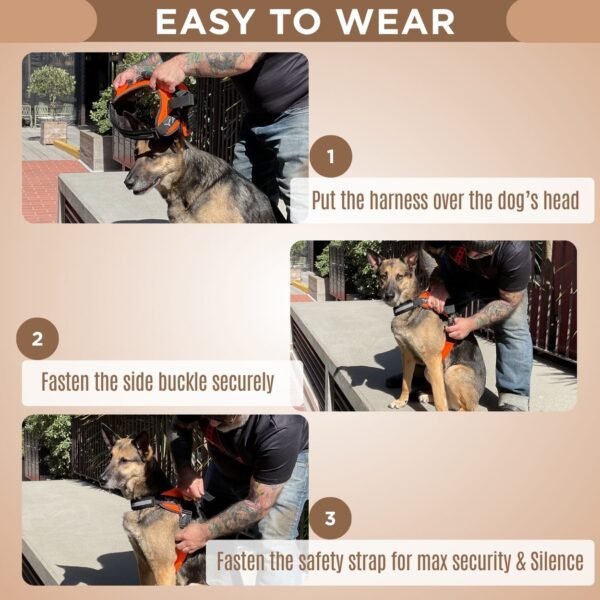
Choose the harness style after you know the measurements.
Measure first, then compare your dog's fit with the product details.
YAP USA offers signature harnesses, wraps, coats, leashes, carriers, seatbelts, and other field gear. The harness line includes options such as Techno Harness®, Beta Noir, Baby Beta Airflow, K9i Tactical, Techno Wrap®, Performance Wrap®, Winter Wraps®, Classic Wraps, and Special Edition Wraps.
The right choice depends on your dog's measurements, activity level, body shape, and the product details. YAP describes its gear as built with comfort and safety in focus, with no-choke harness design and pressure distribution away from the neck.
Techno Harness
The flagship engineered harness. Designed for all-sized dogs with a choke-free, pressure-distributing fit.
View ProductBeta Noir Package
A premium harness package built for performance and everyday use. Check the product page for sizing.
View ProductBaby Beta AirFlow
Designed for smaller dogs with an airflow-focused build. Sizing is available on the product page.
View ProductK9i TactiKal Harness
A tactical-grade harness built for active dogs. Full sizing and specifications are on the product page.
View ProductIf you are asking what size harness for my dog, begin with chest girth and neck circumference, then compare those measurements with the exact product page. YAP also notes an exchange option if the size does not fit.
Fit check after arrival
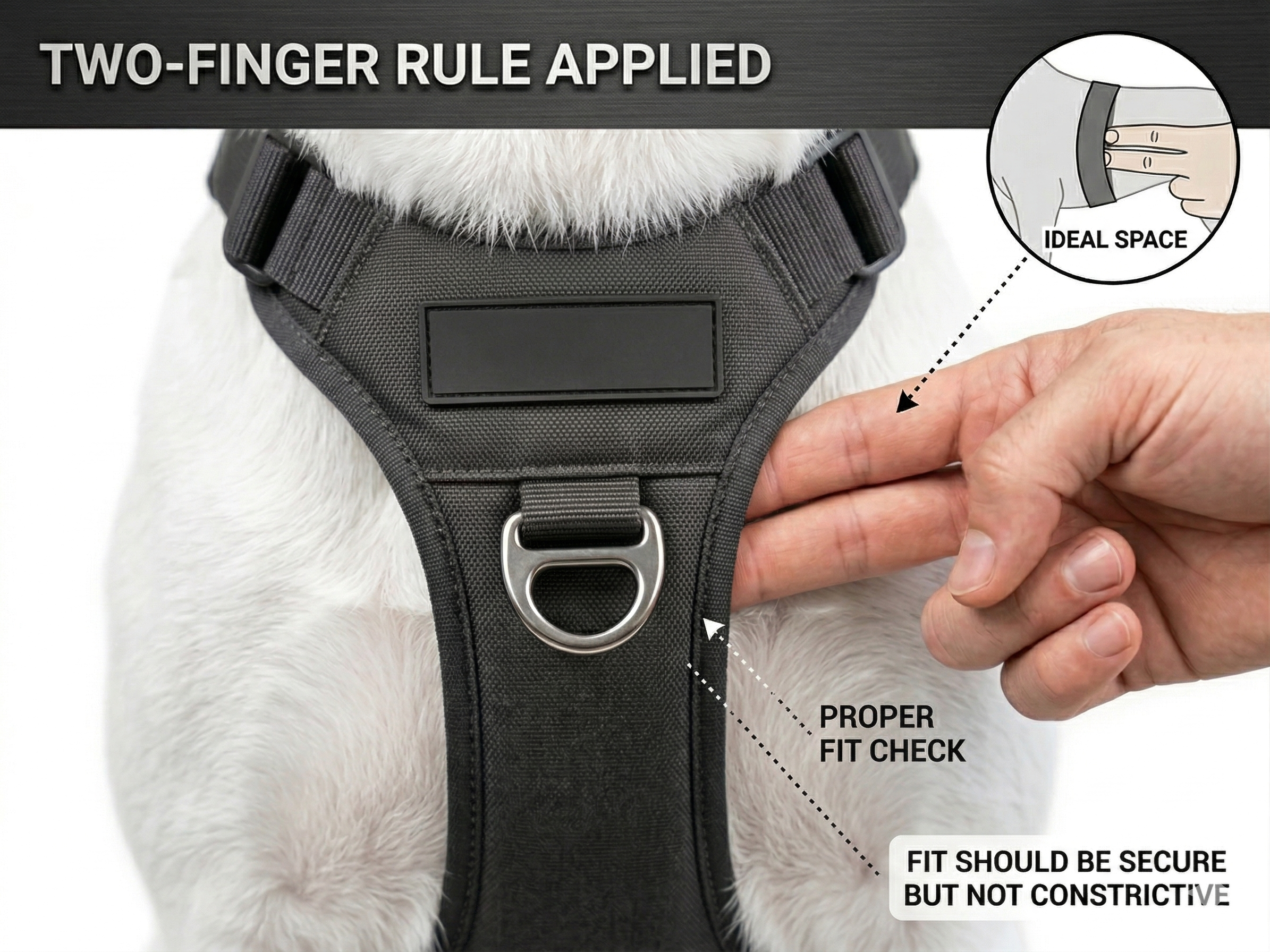
Final step- Place the harness on your dog while they are standing.
- Check that the chest panel sits flat and centered.
- Make sure straps are not twisted.
- Watch your dog walk a few steps indoors.
- Look for rubbing, slipping, or restricted movement.
- Review the product page again if the fit feels uncertain.
Final Words
Measuring your Dog for a Harness is a small step that can make every walk safer and more comfortable. Start with the chest girth, confirm the neck circumference, and use the product sizing information instead of guessing.
YAP USA builds dog gear around comfort, safety, and practical performance. A better fit helps the harness do what it is designed to do: support your dog's body, keep pressure away from the neck, and give you a more confident walking setup.
Take your time, write down the measurements, compare them carefully, and check the fit again when the harness arrives.