7 Best Dog Harness for Pulling 2026 Guide: Stop the Tug Safely
Looking for the Best Dog Harness for Pulling? Our 2026 guide reveals the top-rated no-pull harnesses, leashes, and safety gear to transform your walks today.
Best Dog Harness for Pulling 2026 Guide: The Ultimate Control Manual
Best Dog Harness for Pulling is the primary tool recommended by trainers and veterinarians to manage dogs that view every walk as a sled-pulling competition. If your daily outings feel more like a workout than a relaxing stroll, you are not alone. Millions of pet parents struggle with leash reactivity or simple over-excitement. In 2026, the technology behind canine ergonomics has reached a peak, offering solutions that don’t just stop the dog but actually teach them how to walk calmly by your side.
Featured: The Gold Standard of Walking Control
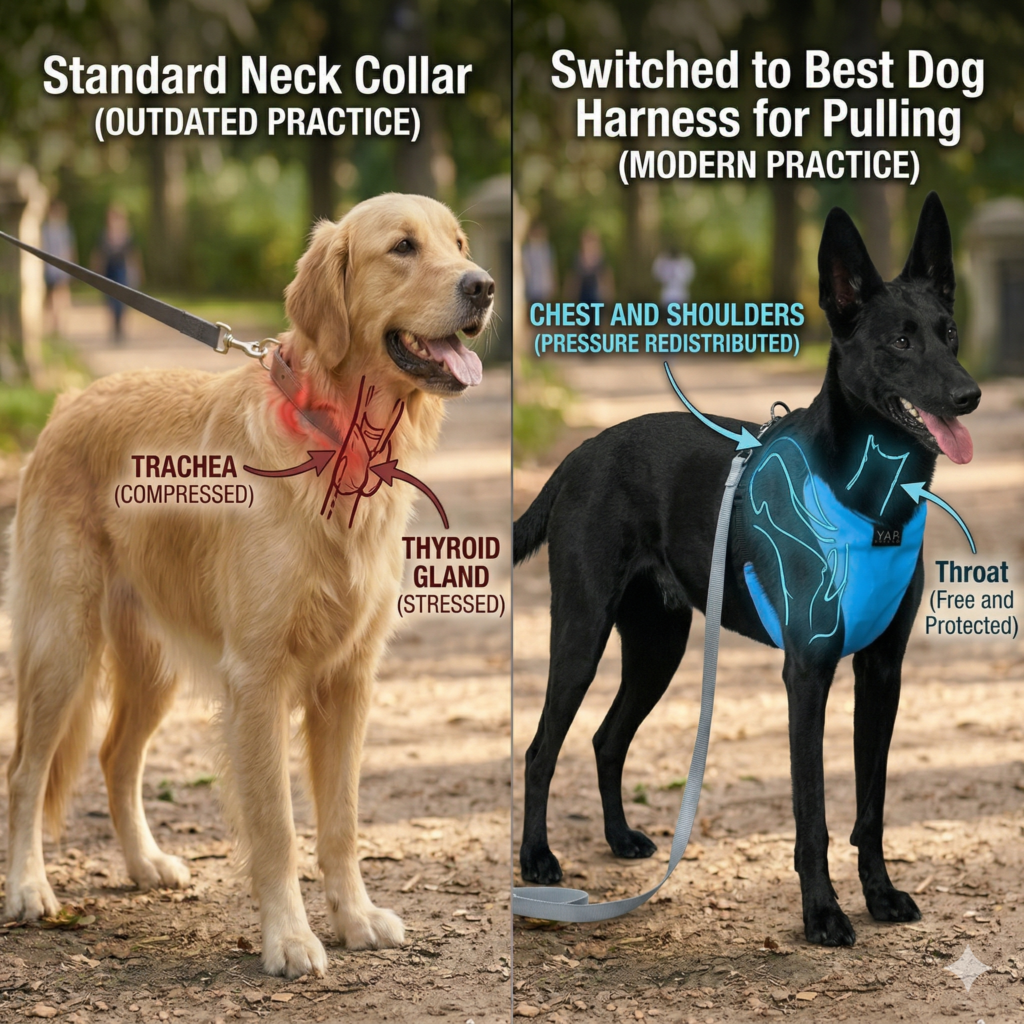
Using a standard neck collar on a heavy puller is increasingly viewed as an outdated practice. When a dog lunges forward a collar concentrates all that force onto the sensitive structures of the throat including the trachea and thyroid gland. By switching to the Best Dog Harness for Pulling, you redistribute that pressure across the strongest parts of the dog’s body the chest and shoulders.
Why Ergonomics Matter for Active Pullers
The shift toward specialized harnesses is backed by significant veterinary research. Experts often point out that consistent pressure on the neck can lead to increased intraocular pressure, which is particularly dangerous for breeds prone to glaucoma. By utilizing a chest-led design, you eliminate the risk of respiratory distress and long-term spinal misalignment
Understanding the Physics of Redirection
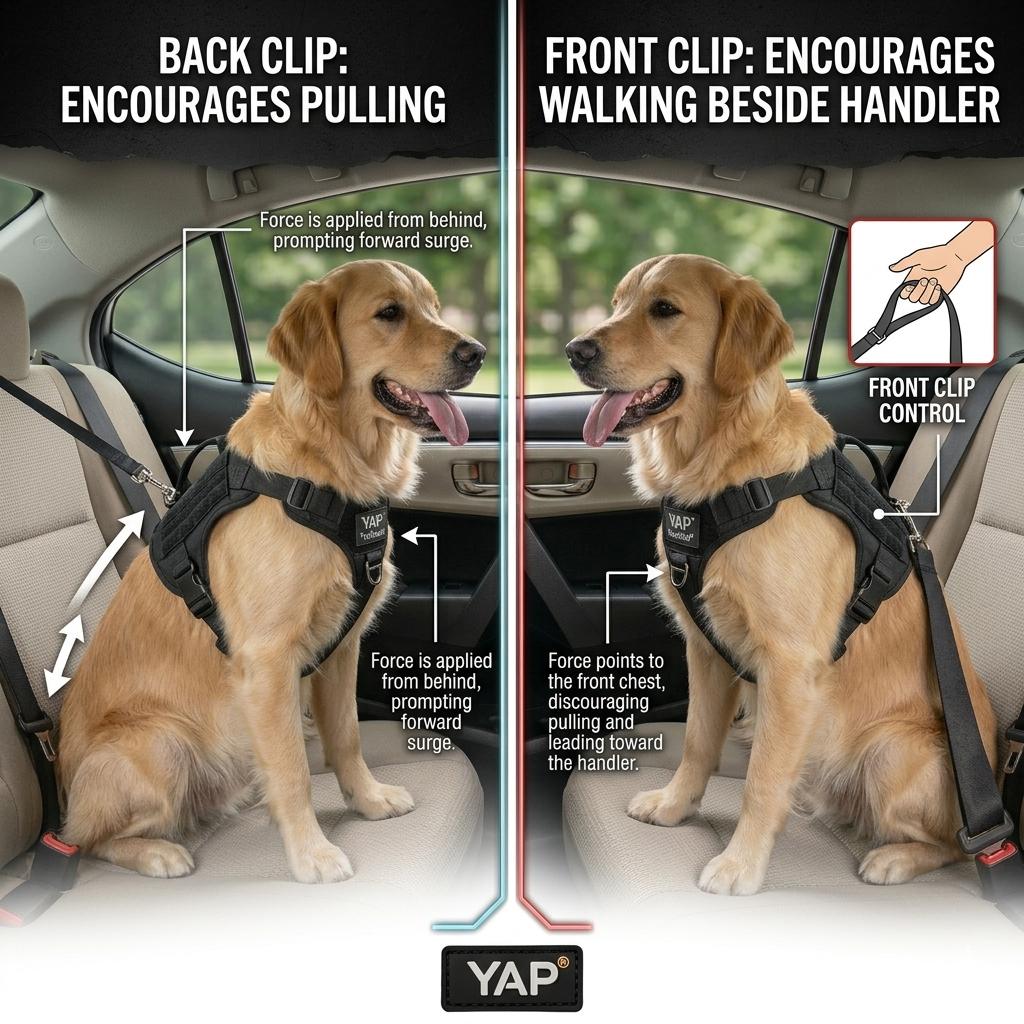
The magic of the Best Dog Harness for Pulling lies in the front-clip D-ring. Unlike back-clip harnesses which can actually trigger a dog’s opposition reflex the instinct to pull back against pressure a front-clip harness works on the principle of steering. When your dog lunges forward the leash attachment point on the chest gently steers them to the side. This breaks their forward momentum and naturally turns their focus back toward you the handler.
Top Features of a 2026 No-Pull Harness
Not all harnesses are created equal. In 2026, the market has moved away from step-in designs that restrict shoulder movement toward Y-shape configurations. A Y-shape ensures that the straps sit above the shoulder joint allowing your dog to run, jump, and walk without any mechanical restriction to their gait.
Essential Materials for Heavy Pullers
When you are dealing with a powerful breed, the material is your first line of defense. The Best Dog Harness for Pulling must be constructed from high-tensile fabrics.
- 1050D Ballistic Nylon: This is the same material used in tactical gear. It is resistant to abrasions, UV damage, and moisture.
- Reinforced Box Stitching: Look for X patterns at every junction. This prevents the straps from ripping away from the main body of the harness during a high-speed lunge.
- Aviation-Grade Aluminum Buckles: While plastic buckles are fine for small dogs heavy pullers require metal hardware that won’t shatter under sudden impact.
- Breathable EVA Padding: To prevent chafing the interior should be lined with closed-cell foam that doesn’t absorb sweat or bacteria.
Visual Guide to Proper Fit and Placement
2026 Rankings: Finding Your Perfect Match
| Category | Recommended Model | Best For |
|---|---|---|
| Overall Best | Performance Wrap Elite | All-day comfort and maximum control |
| Rugged Terrain | Tactical K9 Guard | Hiking and high-intensity work |
| Budget Friendly | SoHo Everyday No-Pull | City walks and casual outings |
| Ultra-Lightweight | Air-Mesh Pro | Small breeds and hot climates |
The Performance Wrap Advantage
For those who need a versatile solution, the Performance Wrap style has become a favorite in 2026. It features a third strap under the belly making it virtually escape-proof.This is ideal for dogs that have learned how to back out of traditional harnesses when they get spooked or excited.
Integrating Safety with a Complete Gear System
The Best Dog Harness for Pulling is most effective when it is part of a larger safety ecosystem. High-authority resources like the American Veterinary Medical Association emphasize that hardware failure is a leading cause of pet loss during walks.
1. The Role of a Quality Dog Leash
A harness is only as good as the leash connected to it. Avoid retractable leashes which maintain a constant pull on the dog’s harness actually rewarding them for tension. Instead, opt for a multi-function 6-foot dog leash with a traffic handle. This allows you to keep your dog close in crowded areas while giving them room to sniff in open parks.
2. Vehicle Safety and the Dog Seatbelt
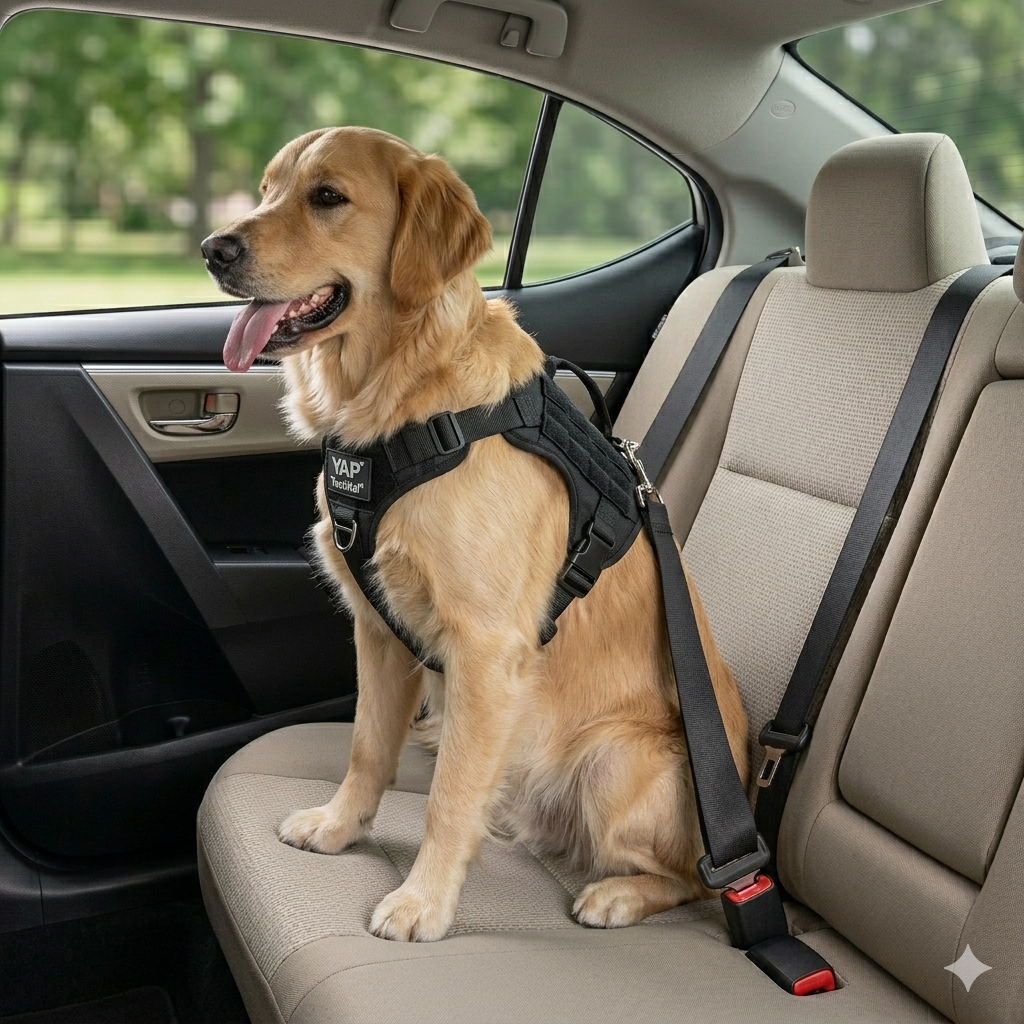
Many owners forget that a no-pull harness is also an excellent safety device for the car. By clipping a heavy-duty dog seatbelt into the back-clip of the harness never the front-clip while in a vehicle you ensure that your dog remains securely in the seat during sharp turns or sudden stops. This prevents distracted driving and protects your pet from injury.
3. Protection Against the Elements
In colder months, your dog might need a dog coat. The Best Dog Harness for Pulling in 2026 often comes with low-profile designs that fit perfectly under a coat. Alternatively, look for coats that have a built-in harness portal allowing you to attach your dog leash directly to the harness underneath without bunching the fabric.
How to Measure for the Best Dog Harness for Pulling
A harness that fits poorly can be more dangerous than a collar. Chafing under the armpits is a common issue with ill-fitting gear. According to canine ergonomic experts often cited in PetMD, you must measure your dog in a natural standing position.
The Three Golden Measurements
- Girth: This is the most important number. Wrap your tape measure around the widest part of the ribcage.
- Lower Neck: Don’t measure where the collar sits. Measure the base of the neck where it meets the shoulders.
- Chest Width: Measure across the front of the chest from one shoulder point to the other.
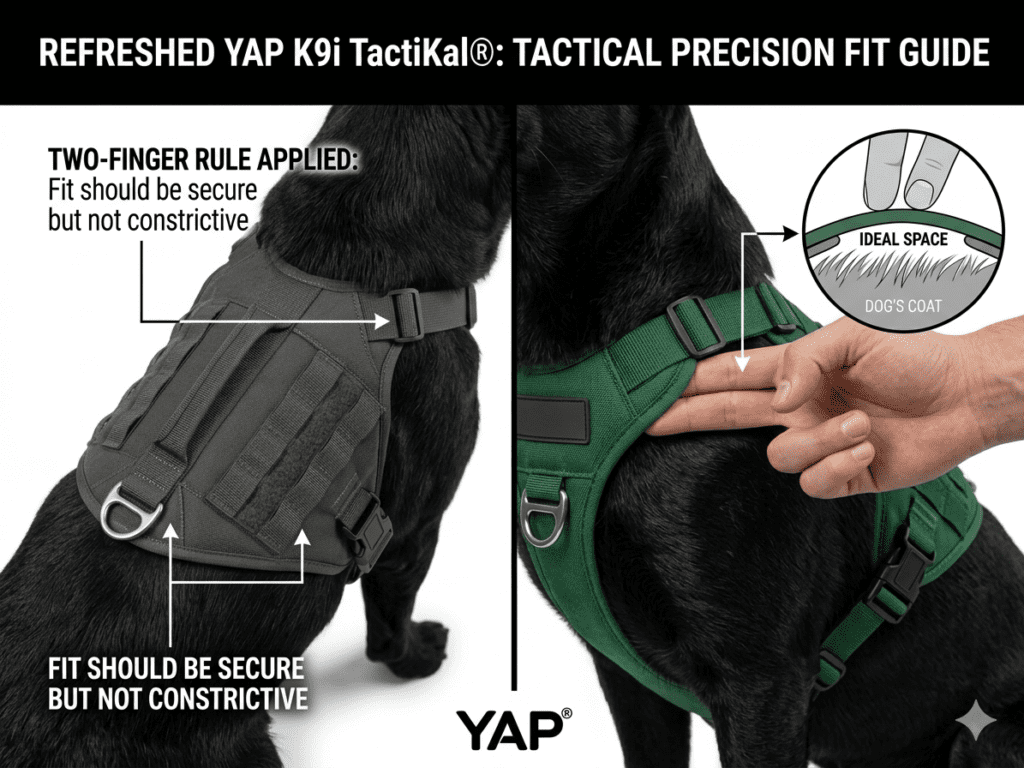
The Two-Finger Test: Once the harness is on you should be able to slide two fingers under every strap. If you can fit three it’s too loose and may cause rubbing. If you can only fit one it might restrict their breathing during heavy exercise.
Expert Training Insight: Beyond the Gear
While the Best Dog Harness for Pulling provides the mechanical leverage you need it should be used in tandem with positive reinforcement training.
As noted in several behavioral studies published by The Whole Dog Journal, “equipment is a management tool, not a cure.”
The Be a Tree Technique
When your dog reaches the end of the leash and the front-clip begins to turn them, stop moving immediately. Do not jerk the leash. Simply wait. When the dog looks back at you or moves toward you to create slack praise them and continue the walk. This teaches the dog that a loose leash is the key that unlocks forward movement.
Comparing Control Points: Front vs. Back
Frequently Asked Questions
Will a no-pull harness stop my dog from pulling immediately?
While you will feel an immediate difference in your ability to control the dog, it usually takes a few weeks of consistent training for the dog to stop trying to pull altogether. The harness makes the pulling unrewarding for the dog.
Is it okay to leave a harness on all day?
It is not recommended. Even the Best Dog Harness for Pulling can cause moisture buildup or skin irritation if left on for 24 hours. Only use the harness for walks, car rides, or training sessions.
Can I use a no-pull harness with a long training lead?
Yes but be careful. If a dog gets a running start on a 20-foot lead and hits the end while attached to a front-clip, the sudden turn could cause a minor strain. Long leads are best used with the back-clip attachment for sniffing and exploration.
What is the best way to clean a performance wrap?
To maintain the integrity of the 1050D nylon hand wash with a mild detergent and air dry. Machine washing can weaken the fibers over time and cause the reflective strips to peel.
Conclusion
The Best Dog Harness for Pulling is more than just a walking accessory it is a commitment to your dog’s safety and your own peace of mind. By choosing gear that respects canine anatomy like Y-shaped performance wraps and front-clip redirection you eliminate the risks associated with traditional collars.
In 2026, the options are better than ever. Whether you are using a dog leash for city strolls or a dog seatbelt for weekend adventures, the right harness ensures that every journey is secure. Remember to measure twice, fit once, and always pair your new gear with plenty of treats and positive reinforcement. Happy walking!