Best Dog Harness for Pulling (2026 Guide)
Walking a dog that pulls can feel frustrating. The leash stays tight. Control drops. The dog learns to keep pulling. The best dog harness changes this. It does not rely on force. It changes how your dog moves and responds on the leash.This guide explains what works, what to avoid, and how to choose the best option based on real use.
Why Dogs Pull in the First Place
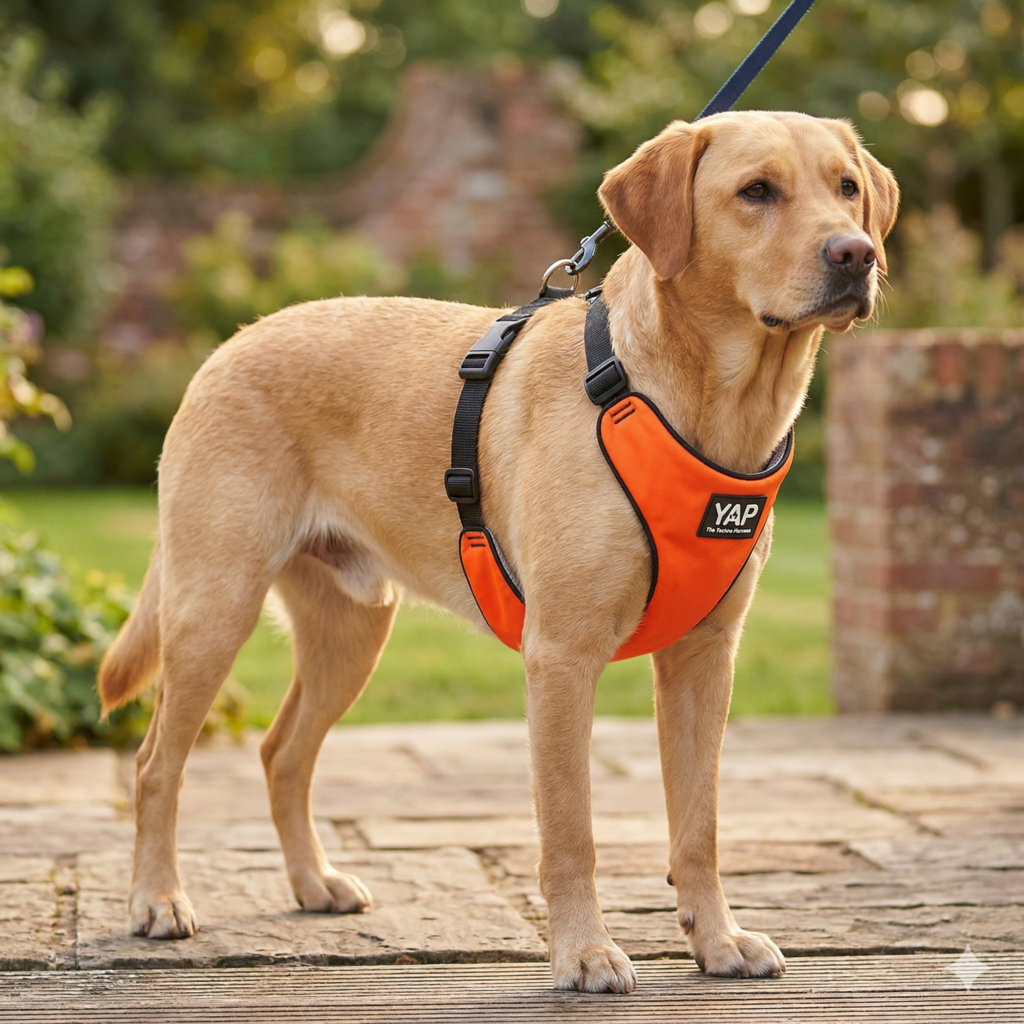
Pulling is natural. Dogs move faster than humans and follow scents and movement. When the leash tightens, many dogs push forward instead of slowing down.Over time, this becomes a habit.Neck pressure from collars can also increase resistance. According to the American Veterinary Medical Association, repeated strain around the neck can lead to discomfort. This is one reason many experts suggest switching to a dog harness for daily walks.
What Makes a Dog Harness “No Pull”
A no pull dog harness is designed to guide your dog, not fight against them. When your dog pulls, the harness gently redirects their movement to the side, breaking forward momentum and giving you better control. The most effective designs use a front chest attachment, allowing you to manage direction instead of just slowing them down. As professional dog trainer
Cesar Millan says, “Where the head goes, the body follows,” highlighting how proper guidance leads to better leash behavior.
Features That Actually Matter
Many products look similar. The details decide how well they work.
Front Clip Control
A chest attachment point helps manage pulling. Back clip styles are easier to use but offer less control for strong dogs.
Proper Fit
A harness should sit close to the body without rubbing. Loose gear shifts during movement. Tight gear causes discomfort.Measure the chest area just behind the front legs for accurate sizing.
Strong, Flexible Material
Durable webbing and reinforced stitching handle tension better. At the same time, the material should allow natural movement.
Back Handle
A handle gives quick control in busy areas or near traffic. It also helps during training.
Choosing the Right Option for Your Dog
Not every dog needs the same design.
Strong Pullers
Choose a structured dog harness with a front clip. This gives better direction control and reduces pulling over time.
Small Dogs
Use lightweight designs with soft edges. Heavy or stiff harnesses can restrict movement.
Large Breeds
Look for wide straps and strong construction. These spread pressure evenly and improve control.
Daily Walks
Comfort matters most. Breathable material and easy adjustment make long walks smoother.
Harness vs Collar for Pulling
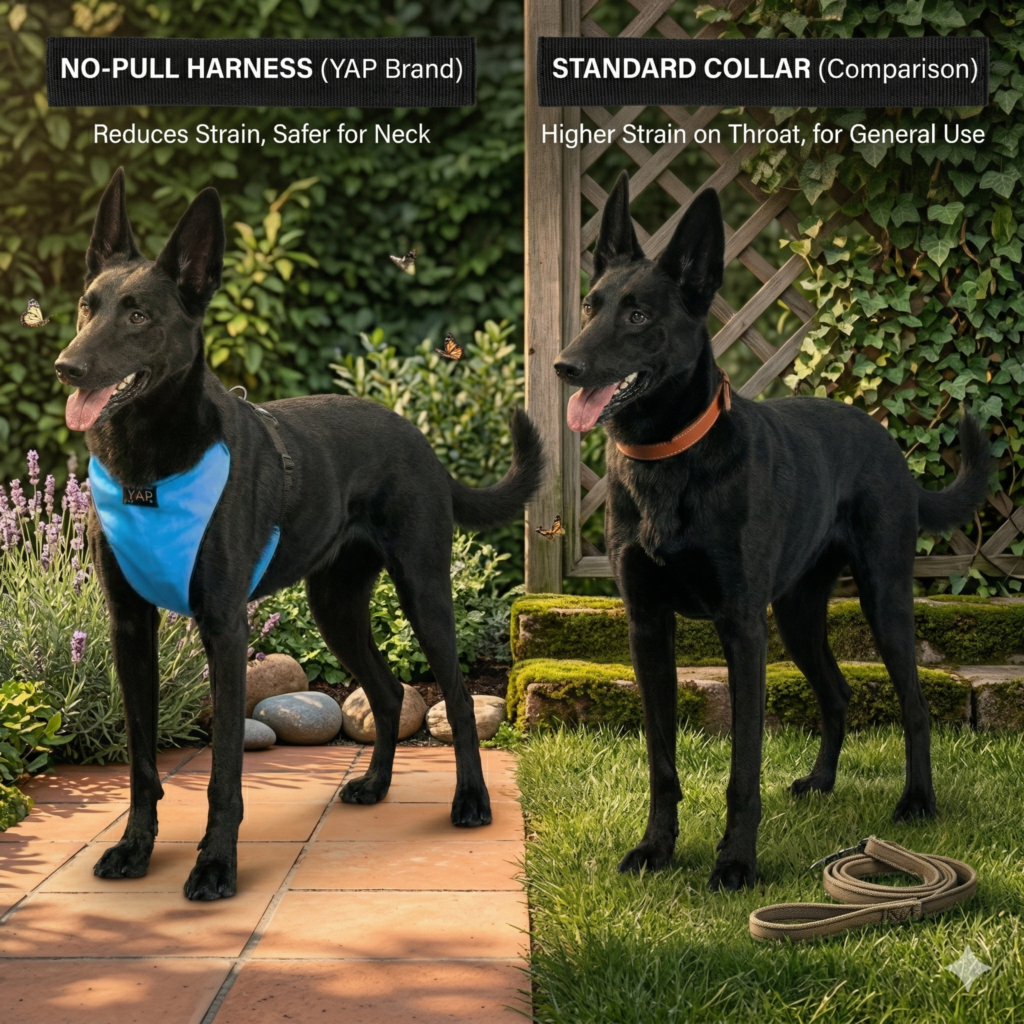
Collars focus pressure on the neck. When a dog pulls, this creates strain and discomfort. A dog harness spreads pressure across the chest and shoulders. This supports safer movement and better control. The RSPCA recommends equipment that avoids pain during normal use. A well-fitted harness aligns with this guidance.
Common Mistakes That Keep Dogs Pulling
Even a good dog harness will not work if used incorrectly.
- A loose fit reduces control.
- Using only a back clip on a strong puller limits results.
- Inconsistent walking habits confuse the dog.
- Switching gear too often slows progress.
- Consistency and correct setup matter more than the product alone.
What to Expect After Switching
Most dogs do not change overnight. The harness improves control first. Behavior follows with repetition.
Within a few walks, many owners notice:
- Less forward tension
- Easier direction control
- Calmer walking pace
Training and guidance still matter, but the right setup makes progress faster.
Final Thought
The best harness for pulling is the one that fits well and gives you control without causing stress.
Focus on structure, fit, and proper use. Avoid choosing based only on appearance.
When the setup is right, walks become easier, safer, and more controlled.