
10 Costly Dog Harness Mistakes Every Owner Should Avoid
Avoid common dog harness mistakes that cause injury or escape. Learn about sizing, no pull dog harness benefits, and car safety to keep your pup secure.
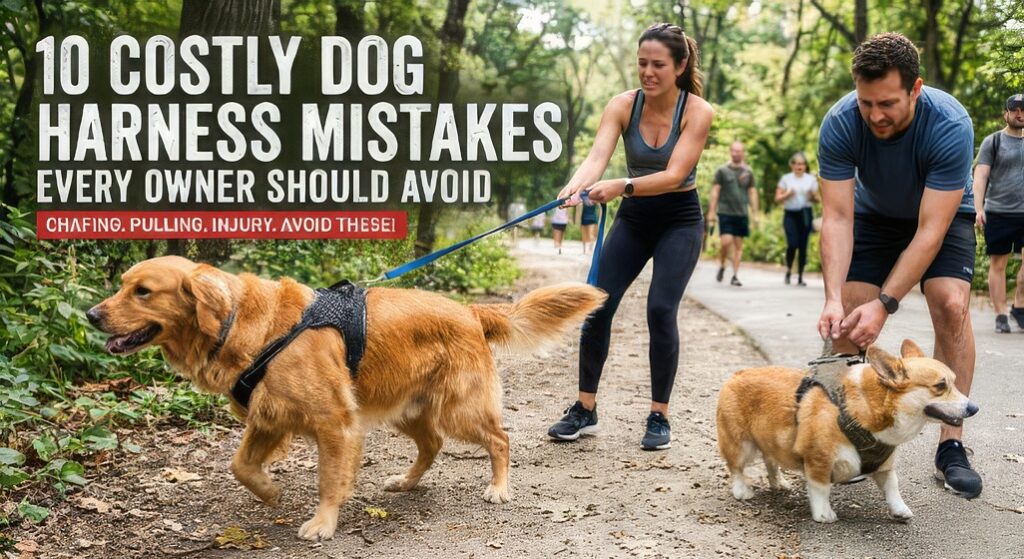
Choosing a dog harness is a vital decision for your pet’s safety. Many owners think any strap and buckle system works. The wrong choice leads to injury or escape. A well-made dog harness is a communication tool between you and your pup. When used correctly, it protects the neck and spine. It gives you better control on walks.
Whether you want the best dog harness for a puppy or a seasoned hiker, knowing these pitfalls saves time and money. Here is how to avoid the most frequent mistakes dog owners make.
1. Picking the Wrong Style for Your Breed
Not every dog harness fits every purpose. A common error is using a back-clip model for a dog that pulls hard. This triggers a reflex where the dog pulls even harder against the pressure.
If your dog pulls, a no pull dog harness with a front-attachment point is a better choice. For rugged adventures, a dog harness with handle lets you assist your pet over obstacles. The American Kennel Club (AKC) notes that the right style supports proper canine anatomy and movement.
2. Failing to Measure Your Dog Correctly
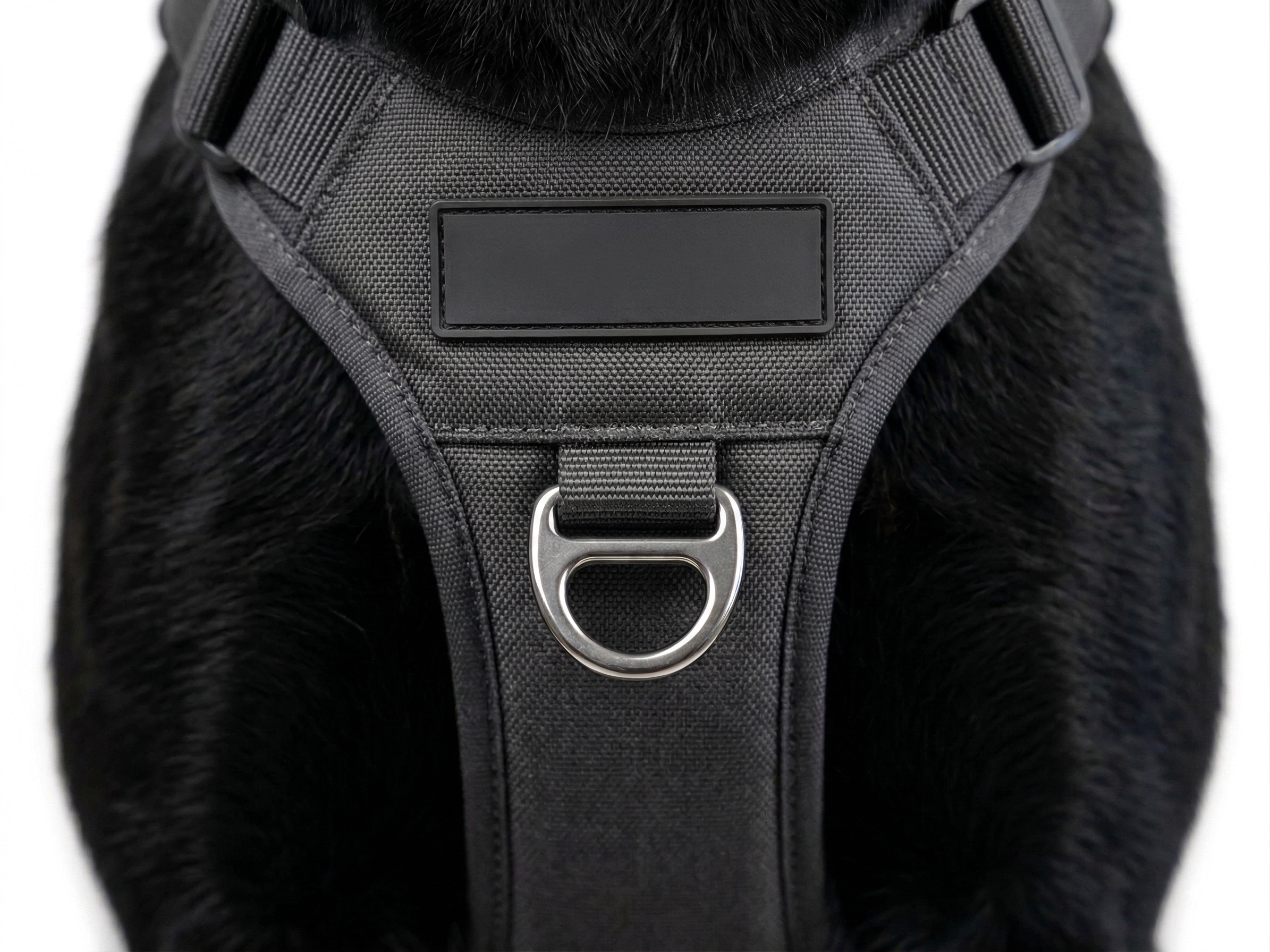
Sizing is the main reason for returns and pet discomfort. A harness that is too loose lets a dog back out and escape. One that is too tight restricts breathing and causes skin sores.
To find the right fit:
- Measure the widest part of the ribcage.
- Measure the base of the neck where a collar sits.
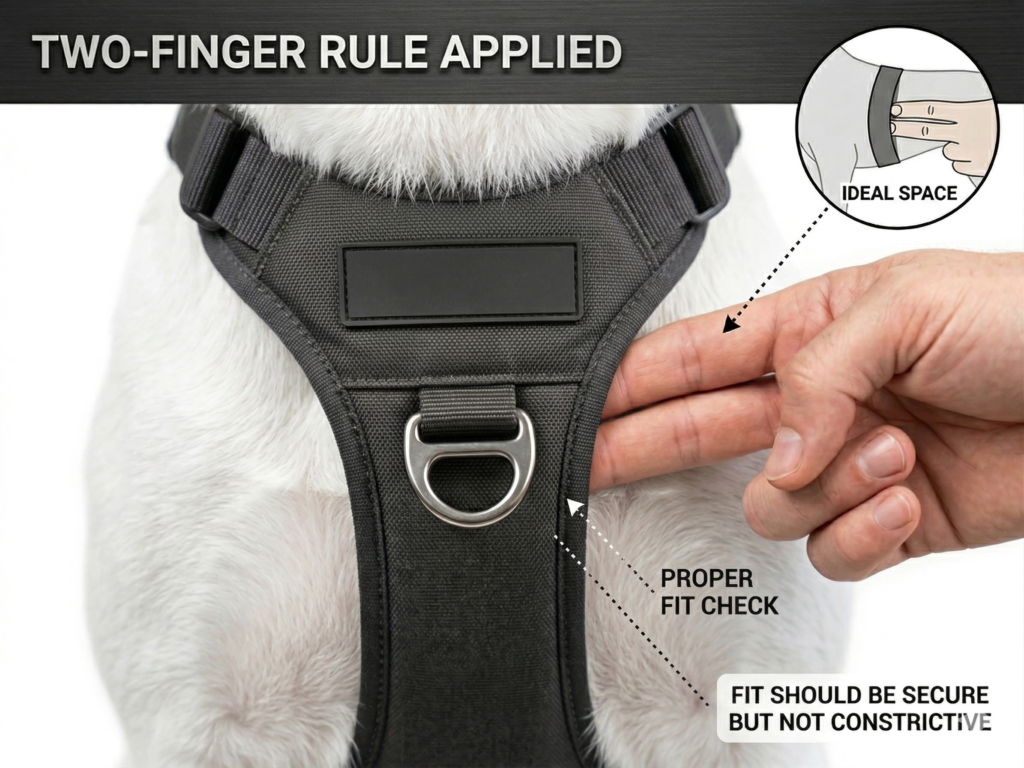
- Ensure you can fit two fingers between the strap and the skin.
For muscular breeds, a large dog harness with multiple adjustment points is key to a snug, safe fit.
3. Creating Armpit Chafing
The skin behind a dog’s front legs is sensitive. Many cheap designs have straps that sit too close to the armpit. Every step the dog takes causes friction.
This leads to hair loss and painful sores. Look for a Y-shaped design. This shape leaves space for the legs to move freely without rubbing.
4. Using the Harness as a Training Substitute
A best no pull dog harness is a management tool. It does not teach a dog to walk politely. It helps you handle a dog’s weight, but the brain work stays with you.
True leash manners come from steady work. The Association of Professional Dog Trainers suggests using positive rewards for a slack leash. Use the harness to prevent choking, but keep training. If you need extra control, pair your gear with a tough dog leash.
5. Leaving the Gear on All Day
A harness is work clothes for your dog. It is not for constant wear. Keeping it on inside the house leads to:
- Trapped moisture and skin infections.
- Fur matting in long-haired breeds.
- Risks where the gear gets caught on furniture.
When the walk ends, take the harness off. This lets the skin breathe. If your dog gets cold at home, a soft dog coat or a performance wrap is a safer choice for lounging.
6. Incorrect Use of a Dog Car Harness
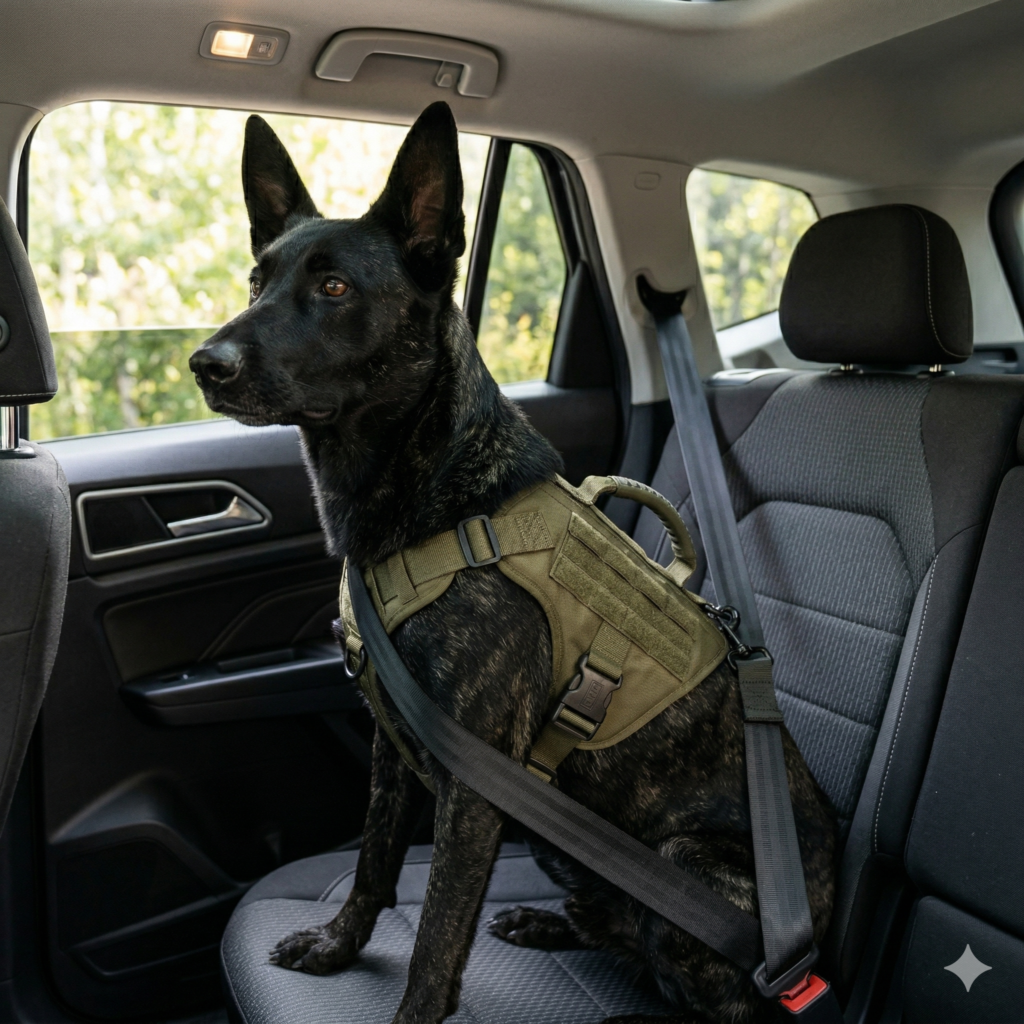
Safety matters in the vehicle too. Many owners put their dog in the back seat with a standard harness but no tether. In a sudden stop, a dog can get hurt or hurt others.
The Center for Pet Safety provides data on why crash-tested gear is vital for travel. A dedicated dog car harness should work with a dog universal seatbelt clip. This keeps your pet secured in their seat.
7. Forcing an Over-the-Head Fit
Many dogs hate things pushed over their face. It triggers fear. If your dog runs when they see the harness, they find the process scary.
Fix this by:
- Choosing a step-in style.
- Using a model with a neck buckle.
- Using treats to reward the dog for poking their nose through the loop.
Learning how to put on a dog harness without stress is a big part of puppy life.
8. Neglecting Gear Maintenance
Nylon and plastic buckles wear out. Sun, salt water, and dirt weaken the fibers. A harness that looks okay might snap under pressure.
Check your gear every week. Look for:
- Frayed edges on the straps.
- Cracks in the plastic clips.
- Rust on the metal rings.
9. Restricting Shoulder Movement
Some harnesses have a horizontal strap that goes across the chest. These are often called easy walk dog harness styles or Norwegian designs. While simple to use, they can block the shoulder blade.
For active dogs, this can lead to joint issues. A Y-shape dog harness no pull design is better. It sits on the breastbone and leaves the shoulders free to move naturally.
10. Forgetting About Senior or Injured Dogs
Standard gear is not always right for dogs with mobility issues. If your dog struggles to walk, a standard harness might cause pain.
In these cases, a dog sling is a better choice for rear-end support. It lets you help them stand or use stairs without hurting their joints.
Summary of Best Practices
- Use the two-finger rule for every fit.
- Take the harness off indoors.
- Match the gear to your dog’s walking style.
- Check for damage once a week.
Frequently Asked Questions
What is the number one no pull dog harness?
| Best Dog Harness | Best for | Padding |
|---|---|---|
| Ruffwear Front Range Dog Harness | Most dogs | Medium |
| PetSafe 3-in-1 No-Pull Dog Harness | Medium to large dogs | Very light |
| Yap Dog Harness | Most dogs | Medium |
| PoyPet No-Pull Dog Harness | Lunging, medium to large dogs | Medium |
What is the difference between a harness and a collar?
A collar sits on the neck and can press on the throat. A dog harness moves that pressure to the chest and shoulders. This is safer for dogs that pull.
How do I know if my dog’s harness is too tight?
If you cannot fit two fingers under the strap, it is too tight. Look for redness or rubbed skin around the straps.
Can I use a regular harness in the car?
Any harness is better than a collar, but a tested dog car harness is the best choice. Always use it with a proper seatbelt attachment.
How do I stop my dog from extremely pulling?
Use the “Stop and Wait” Method
If your dog pulls, stop walking immediately. Wait until the leash slackens either because your dog turns back or stops pulling, then continue. Over time, your dog will learn that pulling gets them nowhere, but walking politely keeps the walk going.