
BEWARE OF THESE AUTUMN PLANTS
Yews
Yew is a common evergreen that can be found year-round. All parts of the plant are extremely poisonous to all species of animals. Yew contains taxines, which are deadly in even small quantities. Symptoms after consumption range from weakness, excessive drooling, vomiting, tremors, seizures, and even death. Yew can be found in all sorts of holiday decorations, from table bouquets to even holiday wreaths. If you believe your pet has consumed any part of the yew plant, contact your veterinarian immediately.
Autumn Crocus
These flowers are very beautiful when they begin to emerge from the ground, especially in the autumn landscape. Don’t be fooled by the vibrant colors. These flowers hold the greatest concentration of toxic alkaloids, such as colchicine. All parts of the plant are poisonous. It can cause gastrointestinal bleeding, bloody diarrhea, liver/kidney damage, respiratory failure, seizures, and even death. Contact your veterinarian if you believe your pet may have ingested any part of the autumn crocus.
Mushrooms
It’s not that mushrooms are deadly, but that some mushrooms that your pet may encounter on their walk can be. Fungi take advantage of the dampness and abundance of mulch during this season. Keep an eye on your pet during your nature excursions and even when letting your pet out into the yard. The umami taste profile of most fungi is enticing enough to make them want to take a bite. Check all dark, damp areas where your pet likes to venture. It is not unheard of for pets to experience mushroom poisoning in their own backyard.
Mums
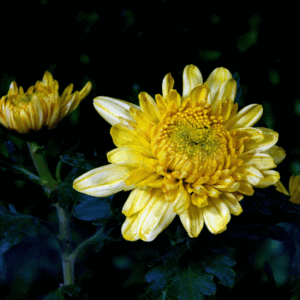
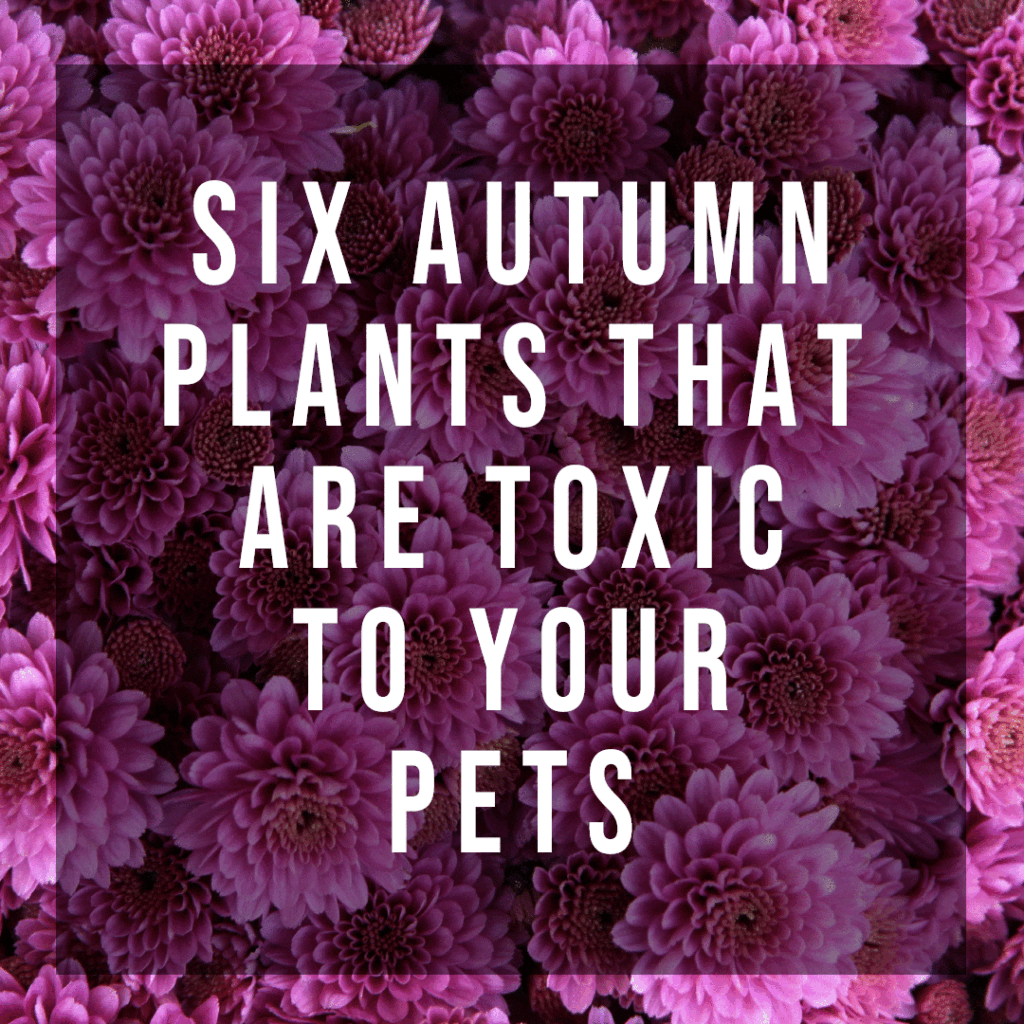
Chrysanthemums are known as the flowers of fall. They can be found in yards and bouquets all across the country. Although beautiful, these poisonous flowers can cause vomiting, diarrhea, hyper-salivation, and even skin inflammation. Although it may not be deadly enough to kill a pet, it, sure enough, will rack up a rather expensive visit to the vet.
Gingko: female plant fruit
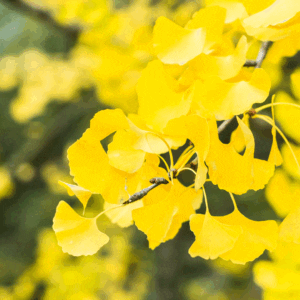
Gingko trees are some of the oldest trees, dating back to the time of the dinosaurs. There are male and female trees. It is the female trees that produce seeds in the form of a stinky fruit that smells a bit like rot and decay. It can be found throughout urban landscapes. The seeds of this plant are toxic to pets. Curious pets may wander toward the fallen fruit, enticed by the smell. If consumed, your pet may experience vomiting, irritability, and seizures. Keep your pet away from the fruit during this season.
Lilies
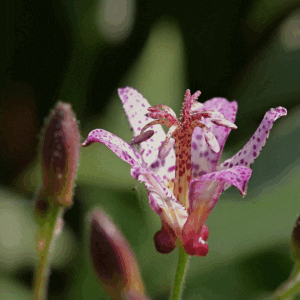
If you believe your pet has consumed any of these autumn plants, contact your veterinarian immediately. You may save yourself an expensive trip to the vet later…and you may even save your pet’s life.